FUEL SYSTEM PRECAUTION

-
PRECAUTION
-
Before working on the fuel system, disconnect the cable from the negative (-) battery terminal.
-
Do not smoke or work near fire when working on the fuel system.
-
Keep gasoline away from rubber or leather parts.
-
-
DISCHARGE FUEL SYSTEM PRESSURE
CAUTION:
-
Perform the following procedure to prevent fuel from spilling out before removing any fuel system parts.
-
Pressure will still remain in the fuel lines even after performing the following procedure. When disconnecting a fuel line, cover it with a piece of cloth to prevent fuel from spraying or coming out.
-
When discharging fuel system pressure by disconnecting the C/OPN relay:
-
Remove the relay block cover.
-
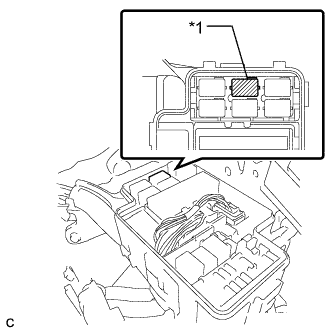
Text in Illustration *1 C/OPN Relay Remove the C/OPN relay.
-
Start the engine.
-
After the engine stops, turn the engine switch off.
Tech Tips
DTC P0171/25 (fuel problem) may be detected.
-
Crank the engine again. Check that the engine does not start.
-
Remove the fuel tank cap to discharge pressure from the fuel tank.
-
Disconnect the cable from the negative (-) battery terminal.
Note
When disconnecting the cable, some systems need to be initialized after the cable is reconnected Click here.
-
Install the C/OPN relay.
-
-
When discharging fuel system pressure by disconnecting the fuel pump connector:
-
Remove the No. 1 rear seat.
-
Remove the seat rail cover.
-
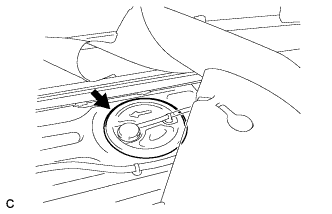
Turn back the carpet and remove the rear floor service hole cover.
-
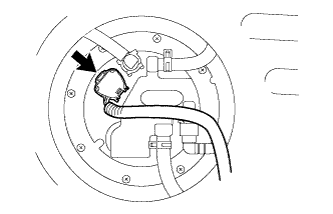
Disconnect the fuel pump connector.
-
Start the engine.
-
After the engine stops, turn the engine switch off.
Tech Tips
DTC P0171/25 (fuel problem) may be detected.
-
Crank the engine again. Check that the engine does not start.
-
Remove the fuel tank cap to discharge pressure from the fuel tank.
-
Disconnect the cable from the negative (-) battery terminal.
Note
When disconnecting the cable, some systems need to be initialized after the cable is reconnected Click here.
-
Reconnect the fuel pump connector.
-
Install the rear floor service hole cover.
-
Install the seat rail cover.
-
Install the No. 1 rear seat.
-
-
-
FUEL LINE
-
When disconnecting a high pressure fuel line, a large amount of gasoline will spill out. Perform the following procedure:
-
Discharge fuel system pressure.
-
Disconnect the fuel tank main tube.
-
Drain the fuel that remains in the fuel tank main tube.
-
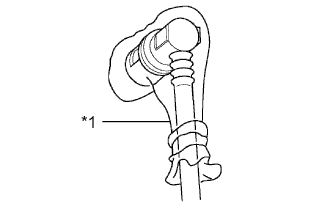
Text in Illustration *1 Plastic Bag Cover the disconnected fuel tank main tube with a plastic bag to prevent damage and contamination.
-
Put a container under the connectors.
-
-
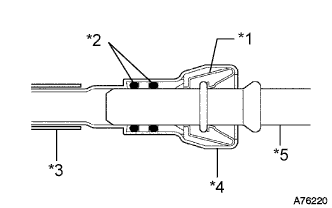
Perform the following procedure when disconnecting a fuel delivery pipe (metallic type):
Text in Illustration *1 Retainer *2 O-ring *3 Nylon Tube *4 Housing *5 Pipe Tech Tips
The structure of the metallic connector is shown in the illustration.
-
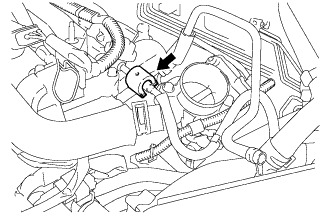
Remove the No. 2 fuel pipe clamp.
Tech Tips
The No. 2 fuel pipe clamp cannot be reused.
-
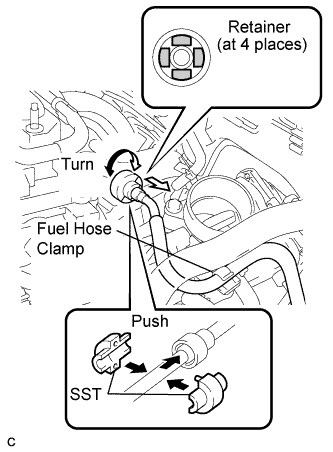
Find the metallic connector of the fuel tube assembly.
-
Assemble SST to the connection as shown in the illustration.
- SST
- 09268-21011
-
Turn SST, align the retainers inside the connector with the SST chamfered parts and insert SST into the connector.
-
Slide SST and the connector together toward the fuel tube assembly.
-
-
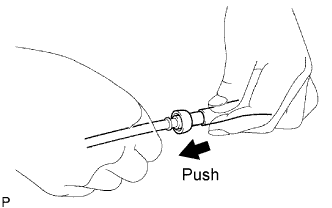
Perform the following procedure when connecting a fuel tube connector (metallic type):
-
Check if there is any damage or foreign objects on the connecting part of the pipe.
-
Match the axis of the connector with the axis of the pipe, and push into the connector until the connector makes a "click" sound. If the connection is tight, apply a small amount of clean engine oil to the tip of the pipe.
-
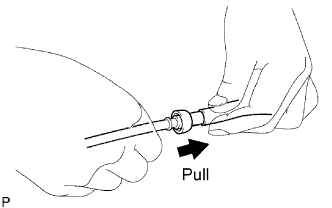
After finishing the connection, check if the pipe and the connector are securely connected by pulling on them.
-
Check for fuel leaks.
-
Install a new No. 2 fuel pipe clamp.
-
-
Perform the following procedure when disconnecting a fuel tube connector (quick type A):
-
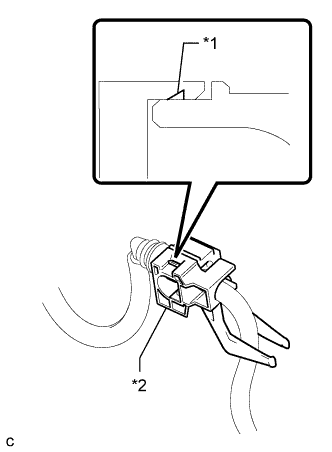
Text in Illustration *1 Claw *2 No. 1 Fuel Pipe Clamp Release the claw and remove the No. 1 fuel pipe clamp.
-
Check that there is no dirt or other foreign objects on the pipe and contact surface before disconnecting them. Clean them if necessary.
-
Disconnect the connector from the pipe by hand.
Note
Be sure to disconnect the connector by hand.
-
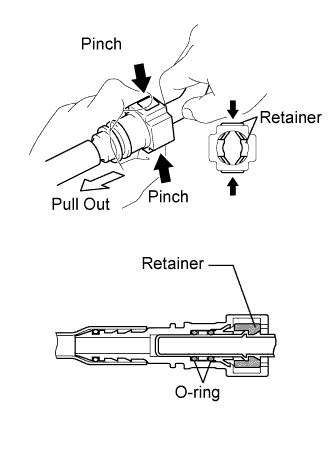
If the connector and the pipe are stuck, push in and pull on the connector to release them. Pull the connector out of the pipe carefully.
-
Check that there is no dirt or other foreign objects on the contact surface of the disconnected pipe. Clean them away if necessary.
-
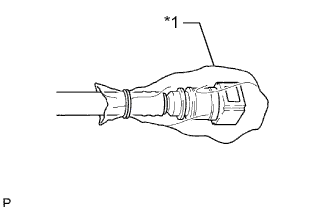
Text in Illustration *1 Plastic Bag Cover the disconnected pipe and connector with a plastic bag to prevent damage and contamination.
-
-
Perform the following procedure when connecting a fuel tube connector (quick type A):
-
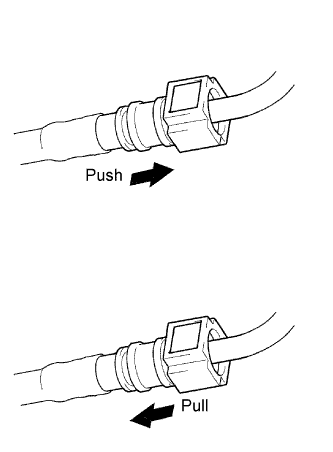
Check if there is any damage or foreign objects on the pipe connections.
-
Line up the two parts of the pipes to be connected, and push them together until the connector makes a "click" sound. If the pipe is difficult to push into the connector, apply a small amount of clean engine oil to the tip of the pipe and reinsert it.
-
After connecting the pipes, check that the pipe and connector are securely connected by pulling on them.
-
Inspect for fuel leaks Click here.
-
Engage the lock claw and install the No. 1 fuel pipe clamp.
-
-
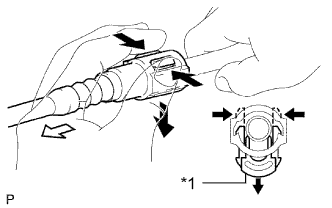
Perform the following procedure when disconnecting a fuel tube connector (quick type B):
Text in Illustration *1 Retainer
-
Check that there is no damage or foreign matter on the part of the pipe that contacts the connector.
-
Detach the 2 claws of the connector retainer. Push down on the connector and disconnect it from the pipe.
Tech Tips
Be sure to disconnect it by hand.
-
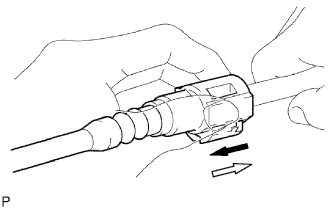
If the connector and pipe are stuck, pinch the fuel pipe by hand and push or pull the connector to disconnect it.
-
Check for foreign matter on the seal surface of the disconnected pipe. Clean it if necessary.
-
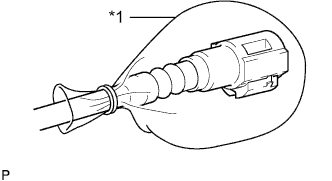
Text in Illustration *1 Plastic Bag Cover the disconnected pipe and connector with a plastic bag to prevent damage and contamination.
-
-
Perform the following procedure when connecting a fuel tube connector (quick type B):
-
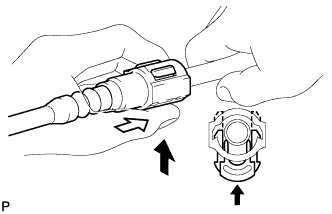
Line up the two parts of the pipes to be connected, and fully push the fuel tube connector and pipe together until they are fully seated. Next, push the retainer into the connector until its claws lock. If the pipe is difficult to push into the connector, apply a small amount of clean engine oil to the tip of the pipe and reinsert it.
-
After connecting the pipes, check that the pipe and connector are securely connected by pulling on them.
-
Inspect for fuel leaks Click here.
-
-
Observe the following precautions when handling a nylon tube:
CAUTION:
-
Do not twist the connection parts of the nylon tube or the quick connector when connecting them.
-
Do not bend or twist the nylon tube.
-
Do not remove the EPDM protector on the outside of the nylon tube.
-
Do not pinch or kink the nylon tubes to prevent fuel leaks.
-
-
-
FUEL INJECTOR
-
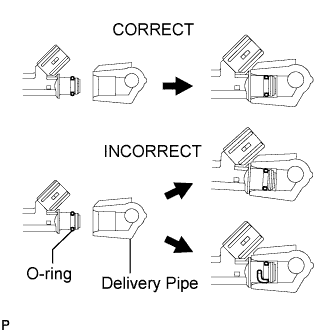
Observe the following precautions when removing and installing a fuel injector:
-
Never reuse an O-ring.
-
When placing a new O-ring on the injector, do not damage the O-ring.
-
Coat a new O-ring with gasoline before installing it.
Note
Do not use engine oil, gear oil or brake fluid.
-
-
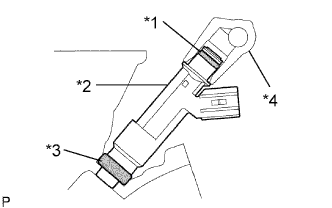
Text in Illustration *1 O-ring *2 Fuel Injector *3 Insulator *4 Fuel Delivery Pipe Install the injector to the delivery pipe and cylinder head, as shown in the illustration.
Note
Before installing the injector, be sure to apply appropriate lubricant or gasoline to the place where the delivery pipe or cylinder head contacts the O-ring of the injector.
-
-
FUEL SUCTION TUBE ASSEMBLY WITH PUMP AND GAUGE
-
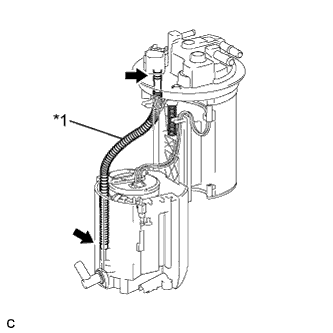
Text in Illustration *1 Tube Do not disconnect the tube shown in the illustration when disassembling the fuel suction tube assembly with pump and gauge. Doing so will cause reassembly of the fuel suction tube assembly with pump and gauge to be impossible as the tube is welded to the plate.
-
-
INSPECT FOR FUEL LEAK
-
Check that there is no fuel leakage after performing maintenance anywhere on the fuel system Click here.
-