BODY STRUCTURE
-
OUTLINE
-
Lightweight and Highly Rigid Body
-
Using Hot-stamped sheet steel, high-strength sheet steel, ultra high-strength sheet steel, and extensive aluminum component both reduces weight and ensures rigidity together with an optimized frame joint structure and optimal positioning of reinforcement members.
-
By rigidity it has used and lightweight Carbon Fiber Reinforced Plastics (CFRP) to back door, and lighter without compromising th body rigidity.
-
-
Safety Features
-
The body has the structure that can distribute energy to many members to increase absorption of the collision energy and the framework of high strength that can control the deformation of the cabin and help secure sufficient survival space.
-
The impact energy-absorbing construction have been adopted in consideration of pedestrian protection.
-
-
Rust-resistant Body
-
Rust-resistance performance is enhanced extensive use of anti-corrosion sheet steel, as well as by an anti-corrosion treatment that includes the application of anti-rust wax, sealer and anti-chipping paint to easily corroded parts such as the rocker panels.
-
-
Low Vibration and Low Noise Body
-
Effective application of vibration damping and noise suppressant materials reduces engine, wind and road noise.
-
-
Aerodynamics
-
Leveling off the surface where the front body pillar meets the windshield and smoothing the shape around the doors, front and rear bumper were effective in reducing flow separation.
-
Various types of airflow routing parts that control airflow are provided under the floor, and an under cover is provided to make the under floor area flat in order to ensure excellent aerodynamic performance.
-
-
-
MAIN FEATURES
-
Aim of Exterior Design
-
Based on a new platform, a new approach, "Ingenuous Beauty", has been undertaken by integrating the latest technology in aerodynamics and fuel efficiency with "Playfulness."
-
Its design with beautiful emotion and unique symbolism that appeals to the heart has dramatically evolved and aims to express an advanced styling suitable for a front runner among hybrid vehicles.
"ICONIC Human-tech"
-
-
Packaging
-
The engine, motor, and seating positions have been lowered to increase front and rear head clearance while at the same time achieving an aerodynamic, low stance side silhouette.
-
The cowl has been lowered to enhance forward visibility.
-
The fuel tank have been placed under the rear seat to increase luggage space.
"Low-slung silhouette" achieved by the new platform
-
-
Aim of Overall Exterior Design
-
Emotional design that takes advantage of the low center of gravity to convey excellent driving performance
-
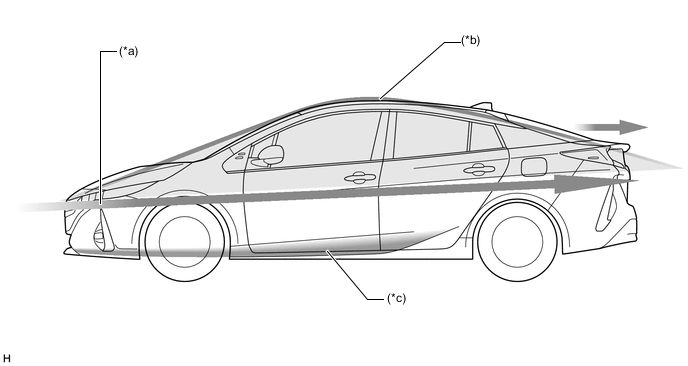
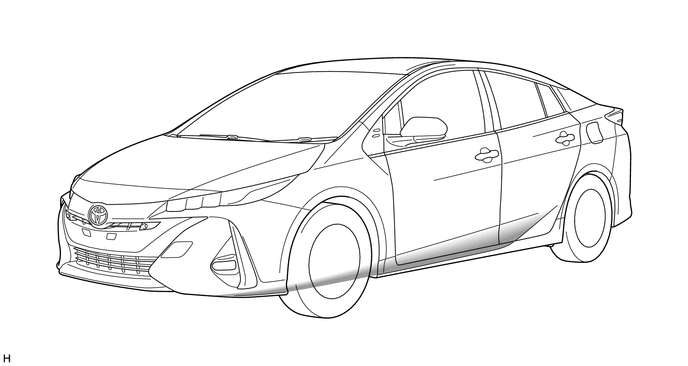
The low axis begins at the Toyota emblem and continues along to the rear, taking advantage of the low center of gravity packaging that appeals excellent driving performance. (*a)
-
The car's distinctive emotional design is expressed through its triangular silhouette that begins at the hood and continues over the top of the cabin. (*b)
-
The rocker panel features a distinctive light-catching upward-facing surface that begins at the lowest part of the vehicle which accentuates Prius' stable low stance. (*c)
-
-
-
Side Design
-
Characteristic roof silhouette
-
Compared to the current model, the roof peak has been set forward when seen from the side to further reduce drag and ensure ample head clearance, achieving optimal aerodynamic shape symbolic for a new generation of eco-friendly cars.
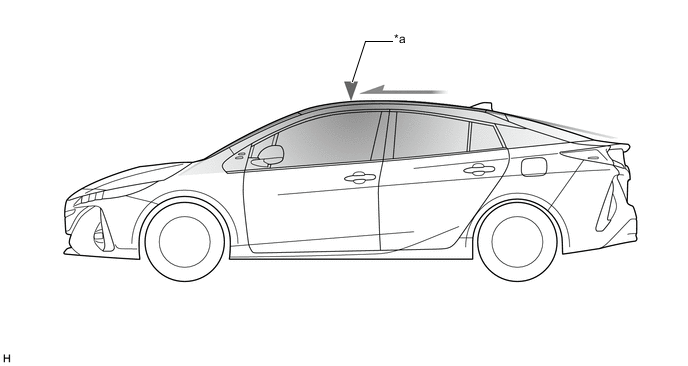
*a Roof Peak - - -
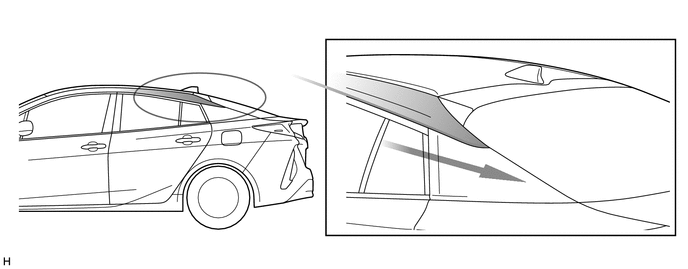
The rear edges of the roof feature a characteristic shape reminiscent of air flowing around the side windows to the rear.
-
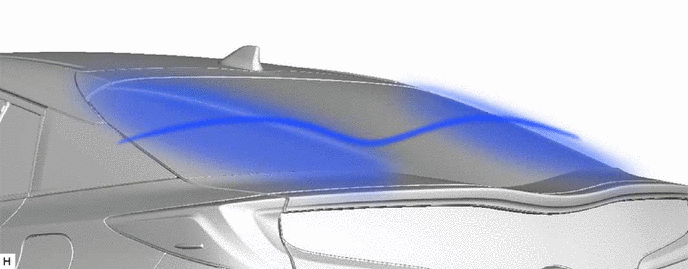
A double bubble window with an impression of flowing air is used for the rear window glass. By integrating the rear edge of the rear spoiler and the sub window, both an iconic look and enhanced aerodynamic performance are achieved.
-
-
-
Front Design
-
Expression of Priusness with intelligence and "Ingenious Beauty"
-
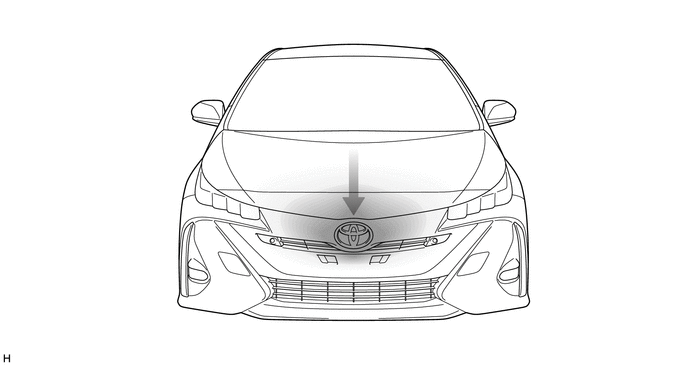
Based on the Keen Look* concept, the design that accentuates the Toyota emblem has been nurtured from the previous generations.
-
The impression of a low front center is achieved and low thin small type LED headlights are arranged horizontally.
Tech Tips
*: A Toyota-original front expression that provides a bright, intelligent and dynamic impression.
-
The bumper side emphasizes a wide stance with integrated yet prominent lights in consideration of aerodynamics.
-
The front of the vehicle and rockers are visually connected to emphasize a low center of gravity.
-
-
Front Grille
-
By utilizing a large acrylic grill, cooling system components are obscured and an advanced look with a sense of evolution over the HV has been achieved.
-
By use of notched relief shapes on the back side of the glossy translucent appearance acrylic grille, and by application of a silver coating, a sense of depth is created. Furthermore, the matt black embracing frame around the grille provides a high quality feel.
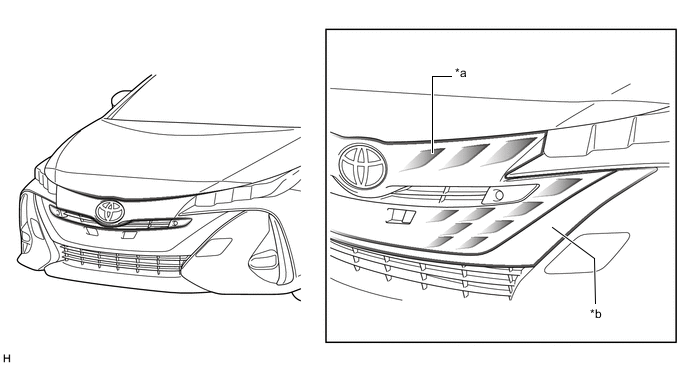
*a Relief Shape *b Frame
-
-
-
Head Lights
-
Innovativeness iconic "Eyes"
-
By using quad LED headlights, a sharp, thin, small and low headlight design has been achieved.
-
The turn signal lights and accessory lamps are arranged vertically on the bumper side in consideration of aerodynamics, promoting emotion and emphasizing the wide and low stance.
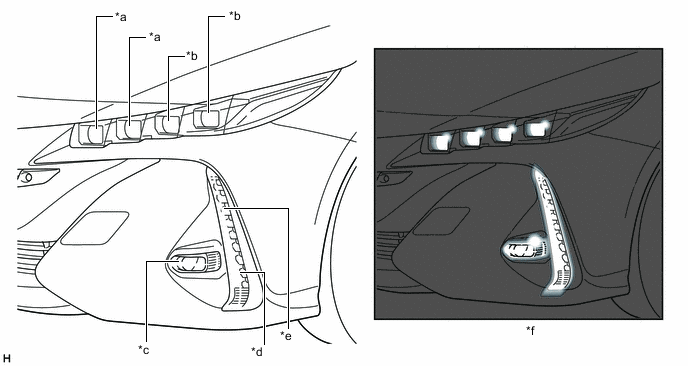
*a Clearance and High Beam *b Low Beam *c Front Fog Lamp *d Accessory Lamp *e Turn Signal Light *f Illuminated -
-
-
Rear Design
-
Further emotional aerodynamic performance
-
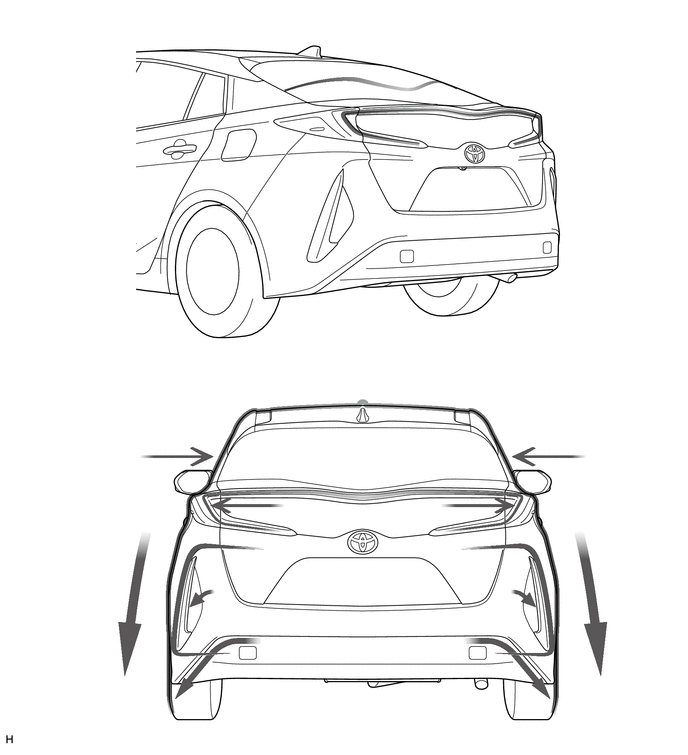
The double bubble window connects with the cross section of the rear spoiler which is integrated with the sub window. The shape of the sub window provides a characteristic reflection and an iconic emotional appearance while enhancing rearward aerodynamic performance.
-
Like the front, the rear bumper corner has integrated lights and functional parts in consideration of aerodynamic performance, to create an emotional, functional beauty.
-
By utilizing a look in which the rear of the cabin is narrowing, and by use of a protruding lower body, a feeling of stability and good stance is achieved.
-
-
-
Rear Combination Lights
-
A band of light expressing a characteristic rear silhouette
-
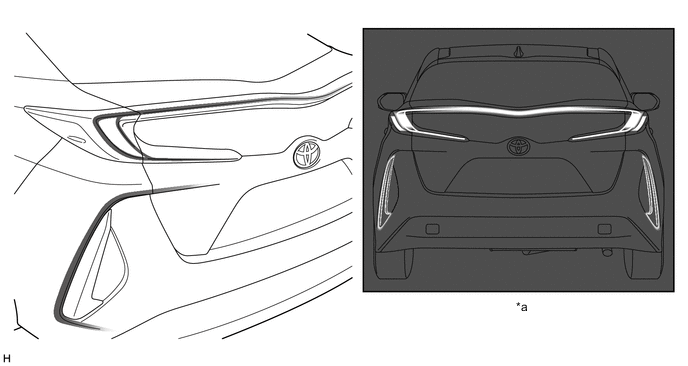
The rear combination lamps that create a flowing border together with the "band of light" of the high stop light outlines the sub window, creating an individual characteristic appeal, especially at night.
-
Like the front, each turn signal lamp is arranged vertically on the end of each bumper side in consideration of aerodynamics, emphasizing the integration of aerodynamics and beauty.
*a With tail light on - - -
-
-
Surface and Character Line Design
-
Functionality sharply integrated into smooth surface
-
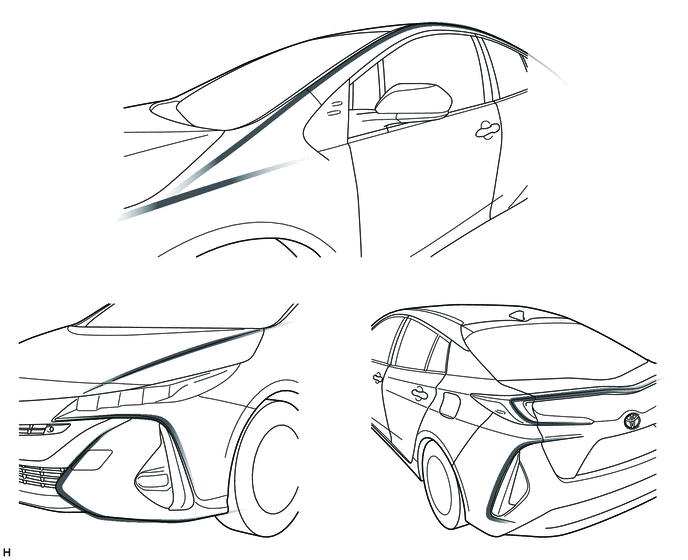
The contrast between softly-curved glossy surfaces and solid, tense surfaces appeals for dynamic surface design changes.
-
Through the smooth yet sharp lines accentuating the surface design changes, the functional components of the front and rear lamps and cabin are integrated into the whole vehicle form.
-
Thus modern "Ingenious Beauty" combining functionality and emotional design is expressed.
-
-
-
Aerodynamic Measures
-
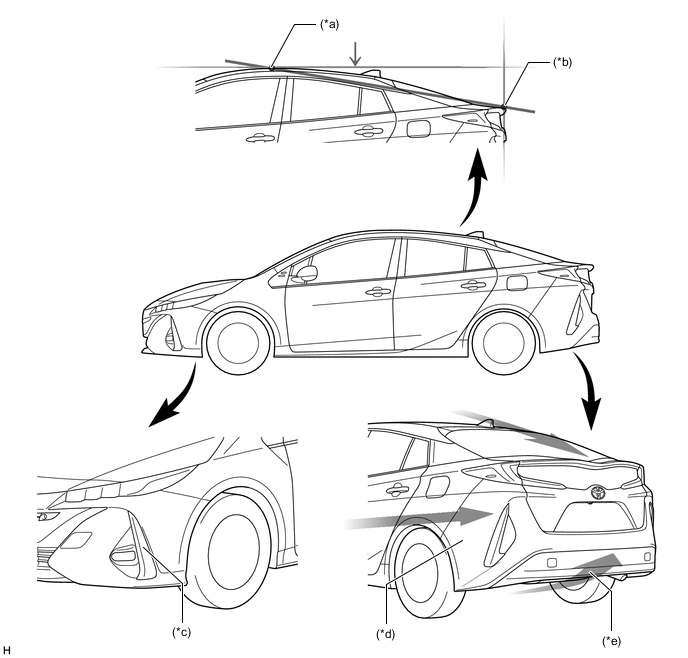
The overall height has been shortened to reduce overall projected area.
-
Cabin silhouette with optimized position relation between the roof peak (*a) and spoiler height (*b).Cabin silhouette with optimized position relation between the roof peak (*a) and spoiler height (*b).
-
Bumper corner (turn signal and accessory light) with optimal surface angle for rectifying the airflow in front of the front tires. (*c)
-
The rear bumper corner shape for rectifying rearward airflow, and rear design for rectifying side (*d) and bottom airflow (*e).
-
-