AUDIO AND VISUAL SYSTEM
-
OUTLINE
-
The audio systems shown below are provided:
Audio System Audio Head Unit Speaker Base Audio System Radio Receiver Assembly 6 Speakers Display Audio System Radio and Display Receiver Assembly 6 Speakers 9 Speakers Navigation System Navigation Receiver Assembly 9 Speakers or 14 Speakers Radio and Display Receiver Assembly + Extension Box (Navigation ECU) 12 Speakers or 14 Speakers -
Audio Head Unit
-
The radio receiver assembly has an improved design that better matches the interior of the vehicle. A USB/AUX port has also been included.
-
A high-definition Wide Video Graphics Array (WVGA) screen is used for both the radio and display receiver assembly and the navigation receiver assembly. The WVGA screen supports flick operation.
-
Discs containing MPEG audio layer-3 (MP3) files, Windows Media Audio (WMA) files and Advanced Audio Coding (AAC) files* can be played.
-
*: Models without base audio system
-
-
Discs with the marks shown below can be played:
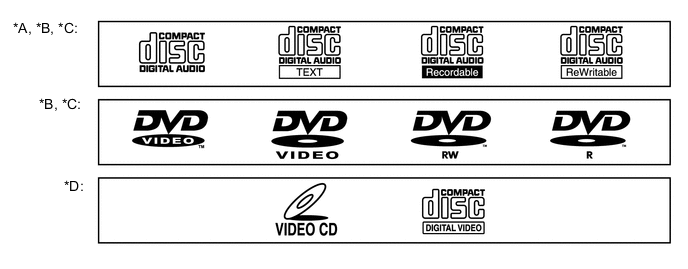
Text in Illustration *A Models with Base Audio System *B Models with Display Audio System (Except Models for Europe, Australia and New Zealand) *C Models with Navigation System (Except Models for Australia or New Zealand) *D Models with Display Audio System or Navigation System (Destination Package for Brunei and Philippines)
-
-
Rear Seat Entertainment System (RSE)
-
The RSE displays images from the Blu-ray, DVD and CD compatible player, the SD card player on the television display assembly or an A/V port on the console box rear end panel. The RSE also outputs sound via the speakers or headphones.
-
The RSE television display assembly is provided on the roof headlining, thus enabling each rear seat occupant to view the television image while looking straight forward.
-
-
Digital Audio Broadcast (DAB) (Models for Europe and Australia and Destination Package for South Africa)
-
Digital Audio Broadcast (DAB) reception is available. This mostly prevents broadcast interference, achieving clear reception with high quality sound.
-
The time shift operation function can be used to play back programs at a later time.
Tech Tips
The amount of playback possible depends on the bit rate of the DAB station to be recorded, the amount of DAB unit memory, and the time at which reception of the broadcast began.
-
-
Commute Function (Models with Navigation System (with Extension Box))
-
By setting the date and hour of departure to a destination often visited (such as a workplace or one's home), the commuting function will automatically indicate the destination when a user departs on the set date and hour. By doing this, the user will become able to obtain traffic information about their commuting routes with no further settings required each time they commute.
-
-
Application Function (Models with Navigation System (with Extension Box))
-
Pressing the application switch on the map screen displays the application lists registered in the map screen.
-
Users are able to use their desired application without any complicated operation by selecting the application he/she wishes to use from the application list*. However, only one application can be used at a time, simultaneous use of several applications is not supported.
Tech Tips
*: The default setting has 5 applications installed. A further 4 applications can be added.
-
Part of the application will be displayed in the information tile of the map screen.
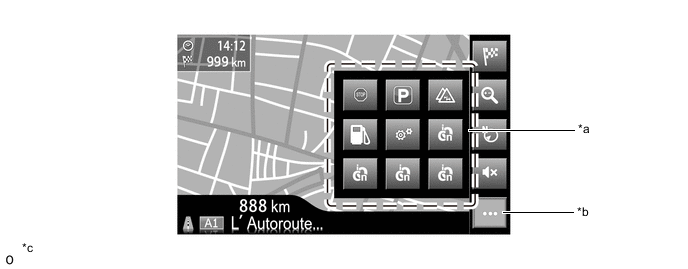
*a Application List *b Application Switch *c The illustration shown is an example only. The illustration may differ from the actual vehicle screen. - -
-
-
USB/AUX Port
-
A USB port is provided that enables the use of a USB memory device, portable audio player (USB type), iPhone, iPod, iPod classic, iPod nano or iPod touch.
-
Videos stored on a video capable device such as an iPod can be displayed on the multi-display by connecting the video capable device to the AUX port using a dedicated 4-pole AUX cable.
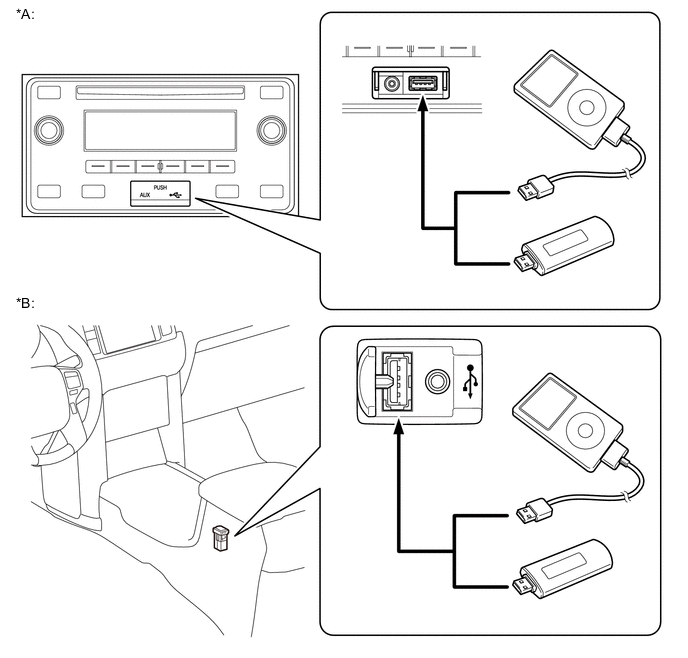
Text in Illustration *A Models with Base Audio System *B Models with Display Audio System or Navigation System Tech Tips
-
In order to display video from an iPod, it is necessary to connect the iPod to the USB and AUX ports using a dedicated iPod video cable or dedicated 4-pole AUX cable and select "video sound input" .
-
Depending on the specifications of the 4-pole AUX cable used to connect a video cable device such as an iPod or VTR, the video function may not operate correctly. Use a dedicated 4-pole AUX cable when using the video function.*
-
*: Depending on the specifications, iPod video not supported.
-
iPhone, iPod, iPod classic, iPod nano and iPod touch are trademarks of Apple Inc., registered in the U.S. and other countries.
-
The following iPod, iPod nano, iPod classic, iPod touch and iPhone devices can be used with this audio system:
- Made for
-
iPod touch (6th generation)
-
iPod touch (5th generation)
-
iPod touch (4th generation)
-
iPod touch (3rd generation)
-
iPod touch (2nd generation)
-
iPod touch (1st generation)
-
iPod classic
-
iPod nano (7th generation)
-
iPod nano (6th generation)
-
iPod nano (5th generation)
-
iPod nano (4th generation)
-
iPod nano (3rd generation)
-
iPod nano (2nd generation)
-
iPod nano (1st generation)
-
iPhone 6S Plus
-
iPhone 6S
-
iPhone 6 Plus
-
iPhone 6
-
iPhone 5S
-
iPhone 5C
-
iPhone 5
-
iPhone 4S
-
iPhone 4
-
iPhone 3GS
-
iPhone 3G
-
iPhone
-
Depending on differences between models or software versions etc., some models might be incompatible with this audio system.
-
USB memory devices that meet the following specifications are supported:
USB Communication Formats
-
USB 2.0, Full Speed (12 Mbps)
-
USB 2.0, High Speed (480 Mbps)*
File System FAT 16/32 Correspondence Class Mass Storage Class File Formats MP3, WMA, AAC* -
-
*: Models without base audio system
-
-
-
Bluetooth Audio System
-
The Bluetooth audio system enables users to enjoy music played on a portable player from the vehicle speakers via wireless communication.
-
The Bluetooth specifications and profiles required for operation are as follows:
Specification/Profile Version Bluetooth Specification Version 1.1 or higher*1, Version 2.0 or higher Required Version 2.1+EDR*1, *2/3.0+EDR*3, *4 or higher Recommended Profile Advanced Audio Distribution Profile (A2DP) Version 1.0 or higher Required Advanced Audio Distribution Profile (A2DP) Version 1.2 or higher Recommended Audio/Video Remote Control Profile (AVRCP) Version 1.0 or higher Required Audio/Video Remote Control Profile (AVRCP) Version 1.1 or higher*2, *3 Required Audio/Video Remote Control Profile (AVRCP) Version 1.3 or higher*1 Recommended Audio/Video Remote Control Profile (AVRCP) Version 1.4 or higher*2, *3 Recommended
-
*1: Models with base audio system
-
*2: Destination packages for Brunei, Philippines and Argentina with radio and display receiver assembly, and for Brunei, Philippines and Argentina with navigation receiver assembly
-
*3: Except destination packages for Brunei, Philippines and Argentina with radio and display receiver assembly, and for Brunei, Philippines and Argentina with navigation receiver assembly
-
*4: Models with display audio system
-
-
-
Bluetooth Hands-free System
-
The Bluetooth hands-free system allows users to make or receive a call while keeping both hands on the steering wheel when the system is linked with a Bluetooth-compatible cellular phone.
-
The Bluetooth specifications and profiles required for operation are as follows:
Specification/Profile Version Bluetooth Specification Version 1.1 or higher*1, Version 2.0 or higher Required Version 2.1+EDR*1, *2/3.0+EDR*3, *10 or higher Recommended Profile Hands Free Profile (HFP) Version 1.0 or higher Required Hands Free Profile (HFP) Version 1.5*1, *4/1.6*5, *10 or higher Recommended Object Push Profile (OPP) Version 1.1 or higher*6 Required Object Push Profile (OPP) Version 1.2 or higher*7, *8 Recommended Phone Book Access Profile (PBAP) Version 1.0 or higher Required Phone Book Access Profile (PBAP) Version 1.1 or higher*8 Recommended Personal Area Networking (PAN) Version 1.0 or higher Recommended Message Access Profile (MAP) Version 1.0 or higher*6 Required Serial Port Profile (SPP) Version 1.1 or higher*9 Recommended
-
*1: Models with base audio system
-
*2: Destination packages for Brunei, Philippines and Argentina with radio and display receiver assembly, and for Brunei, Philippines and Argentina with navigation receiver assembly
-
*3: Except destination packages for Brunei, Philippines and Argentina with radio and display receiver assembly, and for Brunei, Philippines and Argentina with navigation receiver assembly
-
*4: Destination packages for Brunei, Philippines and Argentina with navigation receiver assembly
-
*5: Destination packages for Brunei, Philippines and Argentina without navigation receiver assembly
-
*6: Models for Europe
-
*7: Except models for Europe
-
*8: Models with radio and display receiver assembly except for Europe and navigation receiver assembly
-
*9: Models for Australia and New Zealand
-
*10: Models with display audio system
Tech Tips
-
The operation of the interrupt call function of the Bluetooth hands-free system may vary with the Bluetooth phone or the telephone company that is used.

"Bluetooth" is a trademark owned by Bluetooth SIG, Inc. -
Some profiles described above may not be supported by the system depending on the audio head unit that is equipped.
-
If the specification of the connected Bluetooth phone is lower than recommended or does not support the functions required, the available functions may be limited.
-
Registration and connection of a Bluetooth phone is available when only Object Push Profile (OPP) or Phone Book Access Profile (PBAP) is supported.
-
-
When a Bluetooth phone is connected to the audio head unit, e-mails and Short Message Service (SMS) messages received on the phone can be displayed. In addition, it is possible to reply to the received e-mail and send Short Message Service (SMS) messages. (Messages may not be displayed depending on the message service or profile that the connected Bluetooth phone supports.)
-
-
Siri/Google Now Function (Models with Navigation System (with Extension Box))
-
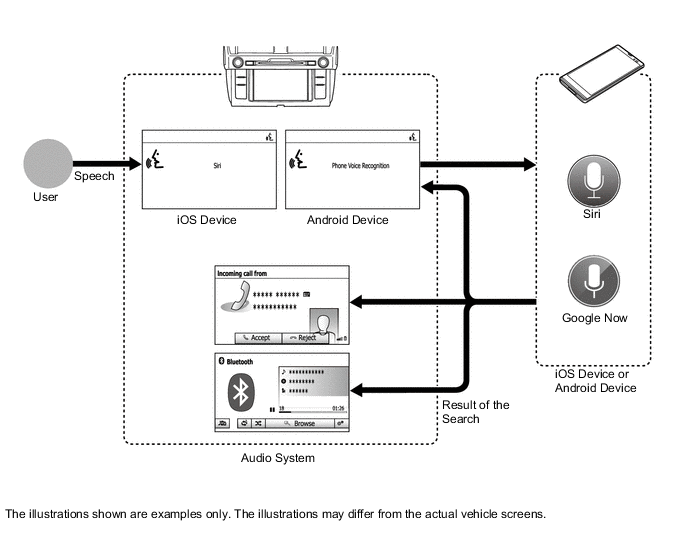
The voice input assist function is available when an iOS device or Android device is connected via "Bluetooth".
-
The Siri/Google Now function will be available after the voice switch on the steering pad is pressed and held causing the buzzer to sound and the respective display to be shown. Functions such as call contacts, select and play music, etc. will be available when the telephone microphone assembly recognizes the user's voice.
-
The system responds with search results screen display and synthesized voice.
-
When the Siri/Google Now function is used to call a contact or listen to music stored on the user's device, the system will automatically transition to the phone call or audio screen.
Tech Tips
-
If the user uses the Siri play song feature and the iPhone is not selected as the current audio source, the song will start playing only on the iPhone.
-
The available features and functions may vary based on the iOS/Android version installed on the connected device.
-
While a phone call is active, Siri/Google Now cannot be used.
-
-
-
Automatic Sound Levelizer (ASL)
-
The Automatic Sound Levelizer (ASL) function automatically adjusts the audio system volume level in order to compensate for increased vehicle noise (vehicle noise tends to increase as vehicle speed increases).
-
Vehicle speed signals are received from the combination meter assembly and used for ASL control.
-
-
Steering Pad Switch Assembly
-
Switches that the driver often uses are provided on the steering wheel for convenience.
-
-
-
SPECIFICATION
-
Audio System
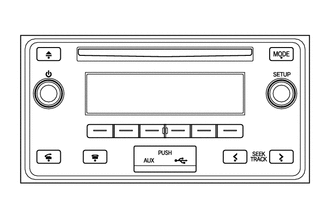
Models for General Countries (Including All Destination Packages) Audio Head Unit Design Specification Radio Receiver Assembly 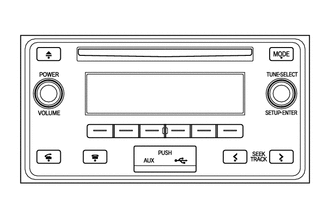
-
AM/FM Tuner
-
CD Player
-
CD-TEXT Display Function
-
MP3 and WMA Playback Function
-
iPod Operation Function
-
USB/AUX Port
-
Bluetooth Audio System
-
Bluetooth Hands-free System
-
6-speaker System
-
Manufacturer: FUJITSU TEN
Base Audio System
Radio and Display Receiver Assembly 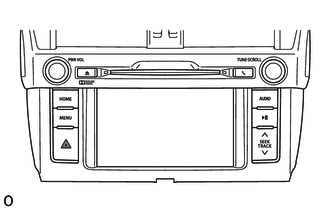
-
7.0-inch Display
-
AM/FM Tuner
-
CD/DVD Player
-
CD-TEXT Display Function
-
MP3, WMA and AAC Playback Function
-
iPod Operation Function
-
Stereo Jack Adapter (USB/AUX Port)
-
Bluetooth Audio System
-
Bluetooth Hands-free System
-
6-speaker System
-
Manufacturer: Pioneer
Display Audio System
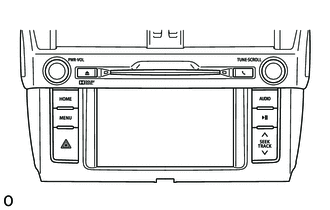
-
7.0-inch Display
-
AM/FM Tuner
-
CD/DVD Player
-
CD-TEXT Display Function
-
MP3, WMA and AAC Playback Function
-
iPod Operation Function
-
Stereo Jack Adapter (USB/AUX Port)
-
Bluetooth Audio System
-
Bluetooth Hands-free System
-
9-speaker System
-
Manufacturer: Pioneer
Display Audio System
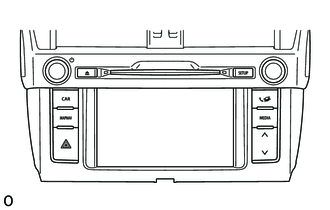
-
7.0-inch Display
-
AM/FM Tuner
-
CD Player
-
CD-TEXT Display Function
-
MP3, WMA and AAC Playback Function
-
iPod Operation Function
-
Stereo Jack Adapter (USB/AUX Port)
-
Bluetooth Audio System
-
Bluetooth Hands-free System
-
Digital Audio Broadcast (DAB) Tuner (Models with Digital Audio Broadcast (DAB) Tuner)
-
9-speaker System
-
Manufacturer: Panasonic
Display Audio System
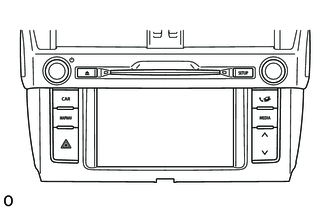
-
7.0-inch Display
-
AM/FM Tuner
-
CD Player
-
CD-TEXT Display Function
-
MP3, WMA and AAC Playback Function
-
iPod Operation Function
-
Stereo Jack Adapter (USB/AUX Port)
-
Bluetooth Audio System
-
Bluetooth Hands-free System
-
9-speaker System
-
Manufacturer: Panasonic
Display Audio System
Radio and Display Receiver Assembly 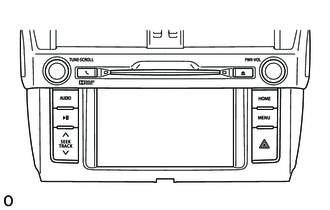
-
7.0-inch Display
-
AM/FM Tuner
-
CD/DVD Player
-
CD-TEXT Display Function
-
MP3, WMA and AAC Playback Function
-
iPod Operation Function
-
Stereo Jack Adapter (USB/AUX Port)
-
Bluetooth Audio System
-
Bluetooth Hands-free System
-
6-speaker System
-
Manufacturer: Pioneer
Display Audio System
Navigation Receiver Assembly 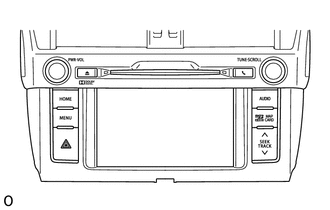
-
7.0-inch Display
-
AM/FM Tuner
-
CD/DVD Player
-
CD-TEXT Display Function
-
MP3, WMA and AAC Playback Function
-
iPod Operation Function
-
Stereo Jack Adapter (USB/AUX Port)
-
Bluetooth Audio System
-
Bluetooth Hands-free System
-
Micro SD Card: Pioneer
-
14-speaker System
-
Manufacturer: Pioneer
Navigation System
Models for G.C.C. Countries (Including All Destination Packages) Audio Head Unit Design Specification Radio Receiver Assembly
-
AM/FM Tuner
-
CD Player
-
CD-TEXT Display Function
-
MP3 and WMA Playback Function
-
iPod Operation Function
-
USB/AUX Port
-
Bluetooth Audio System
-
Bluetooth Hands-free System
-
6-speaker System
-
Manufacturer: FUJITSU TEN
Base Audio System
Radio and Display Receiver Assembly
-
7.0-inch Display
-
AM/FM Tuner
-
CD/DVD Player
-
CD-TEXT Display Function
-
MP3, WMA and AAC Playback Function
-
iPod Operation Function
-
Stereo Jack Adapter (USB/AUX Port)
-
Bluetooth Audio System
-
Bluetooth Hands-free System
-
6-speaker System
-
Manufacturer: Pioneer
Display Audio System
-
7.0-inch Display
-
AM/FM Tuner
-
CD/DVD Player
-
CD-TEXT Display Function
-
MP3, WMA and AAC Playback Function
-
iPod Operation Function
-
Stereo Jack Adapter (USB/AUX Port)
-
Bluetooth Audio System
-
Bluetooth Hands-free System
-
9-speaker System
-
Manufacturer: Pioneer
Display Audio System
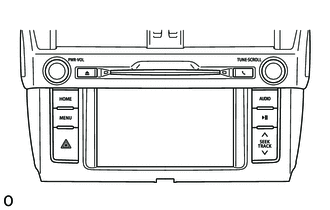
-
7.0-inch Display
-
AM/FM Tuner
-
CD Player
-
CD-TEXT Display Function
-
MP3, WMA and AAC Playback Function
-
iPod Operation Function
-
Stereo Jack Adapter (USB/AUX Port)
-
Bluetooth Audio System
-
Bluetooth Hands-free System
-
9-speaker System
-
Manufacturer: Panasonic
Display Audio System
Navigation Receiver Assembly 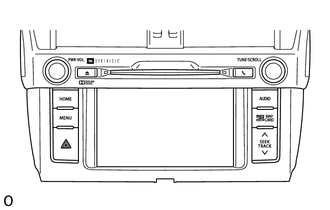
-
7.0-inch Display
-
AM/FM Tuner
-
CD/DVD Player
-
CD-TEXT Display Function
-
MP3, WMA and AAC Playback Function
-
iPod Operation Function
-
Stereo Jack Adapter (USB/AUX Port)
-
Bluetooth Audio System
-
Bluetooth Hands-free System
-
Micro SD Card: AISIN AW
-
14-speaker System
-
Manufacturer: Panasonic
Navigation System
Models for Australia or New Zealand (Including All Destination Packages) Audio Head Unit Design Specification Radio Receiver Assembly
-
AM/FM Tuner
-
CD Player
-
CD-TEXT Display Function
-
MP3 and WMA Playback Function
-
iPod Operation Function
-
USB/AUX Port
-
Bluetooth Audio System
-
Bluetooth Hands-free System
-
6-speaker System
-
Manufacturer: FUJITSU TEN
Base Audio System
Radio and Display Receiver Assembly 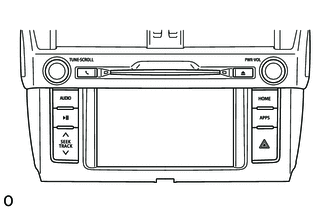
-
7.0-inch Display
-
AM/FM Tuner
-
CD Player
-
CD-TEXT Display Function
-
MP3, WMA and AAC Playback Function
-
iPod Operation Function
-
Stereo Jack Adapter (USB/AUX Port)
-
Bluetooth Audio System
-
Bluetooth Hands-free System
-
6-speaker System
-
Manufacturer: FUJITSU TEN
Display Audio System
-
7.0-inch Display
-
AM/FM Tuner
-
CD Player
-
CD-TEXT Display Function
-
MP3, WMA and AAC Playback Function
-
iPod Operation Function
-
Stereo Jack Adapter (USB/AUX Port)
-
Bluetooth Audio System
-
Bluetooth Hands-free System
-
9-speaker System
-
Manufacturer: FUJITSU TEN
Display Audio System
Radio and Display Receiver Assembly
-
7.0-inch Display
-
AM/FM Tuner
-
CD/DVD Player
-
CD-TEXT Display Function
-
MP3, WMA and AAC Playback Function
-
iPod Operation Function
-
Stereo Jack Adapter (USB/AUX Port)
-
Bluetooth Audio System
-
Bluetooth Hands-free System
-
9-speaker System
-
Manufacturer: FUJITSU TEN
Display Audio System
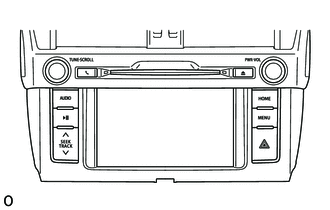
-
7.0-inch Display
-
AM/FM Tuner
-
CD Player
-
CD-TEXT Display Function
-
MP3, WMA and AAC Playback Function
-
iPod Operation Function
-
Stereo Jack Adapter (USB/AUX Port)
-
Bluetooth Audio System
-
Bluetooth Hands-free System
-
9-speaker System
-
Manufacturer: FUJITSU TEN
Display Audio System
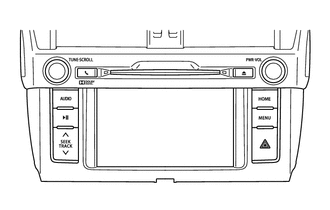
-
7.0-inch Display
-
AM/FM Tuner
-
CD/DVD Player
-
CD-TEXT Display Function
-
MP3, WMA and AAC Playback Function
-
iPod Operation Function
-
Stereo Jack Adapter (USB/AUX Port)
-
Bluetooth Audio System
-
Bluetooth Hands-free System
-
9-speaker System
-
Manufacturer: Pioneer
Display Audio System
Navigation Receiver Assembly 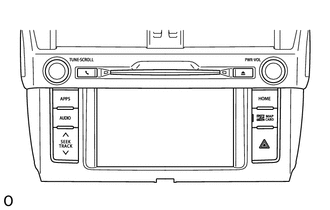
-
7.0-inch Display
-
AM/FM Tuner
-
CD Player
-
CD-TEXT Display Function
-
MP3, WMA and AAC Playback Function
-
iPod Operation Function
-
Stereo Jack Adapter (USB/AUX Port)
-
Bluetooth Audio System
-
Bluetooth Hands-free System
-
Digital Audio Broadcast (DAB) Tuner (Models with Digital Audio Broadcast (DAB) Tuner)
-
Radio Data System Traffic Message Channel (RDS-TMC) Tuner
-
Micro SD Card: FUJITSU TEN
-
9-speaker System
-
Manufacturer: FUJITSU TEN
Navigation System
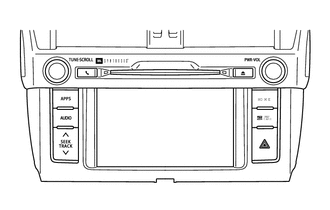
-
7.0-inch Display
-
AM/FM Tuner
-
CD Player
-
CD-TEXT Display Function
-
MP3, WMA and AAC Playback Function
-
iPod Operation Function
-
Stereo Jack Adapter (USB/AUX Port)
-
Bluetooth Audio System
-
Bluetooth Hands-free System
-
Digital Audio Broadcast (DAB) Tuner (Models with Digital Audio Broadcast (DAB) Tuner)
-
Radio Data System Traffic Message Channel (RDS-TMC) Tuner
-
Micro SD Card: FUJITSU TEN
-
14-speaker System
-
Manufacturer: FUJITSU TEN
Navigation System
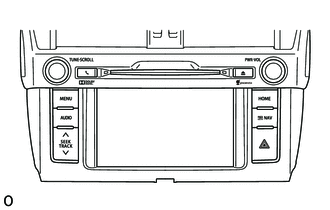
-
7.0-inch Display
-
AM/FM Tuner
-
CD/DVD Player
-
CD-TEXT Display Function
-
MP3, WMA and AAC Playback Function
-
iPod Operation Function
-
Stereo Jack Adapter (USB/AUX Port)
-
Bluetooth Audio System
-
Bluetooth Hands-free System
-
Digital Audio Broadcast (DAB) Tuner (Models with Digital Audio Broadcast (DAB) Tuner)
-
Radio Data System Traffic Message Channel (RDS-TMC) Tuner
-
Micro SD Card: AISIN AW
-
14-speaker System
-
Manufacturer: Panasonic
Navigation System (Destination Package for South Africa)
Models for Europe (Including All Destination Packages) Audio Head Unit Design Specification Radio Receiver Assembly
-
AM/FM Tuner
-
CD Player
-
CD-TEXT Display Function
-
MP3 and WMA Playback Function
-
iPod Operation Function
-
USB/AUX Port
-
Bluetooth Audio System
-
Bluetooth Hands-free System
-
6-speaker System
-
Manufacturer: FUJITSU TEN
Base Audio System
Radio and Display Receiver Assembly
-
7.0-inch Display
-
AM/FM Tuner
-
CD Player
-
CD-TEXT Display Function
-
MP3, WMA and AAC Playback Function
-
iPod Operation Function
-
Stereo Jack Adapter (USB/AUX Port)
-
Bluetooth Audio System
-
Bluetooth Hands-free System
-
Digital Audio Broadcast (DAB) Tuner (Models with Digital Audio Broadcast (DAB) Tuner)
-
Radio Data System Traffic Message Channel (RDS-TMC) Tuner
-
9-speaker System
-
Manufacturer: Panasonic
Display Audio System
-
7.0-inch Display
-
AM/FM Tuner
-
CD Player
-
CD-TEXT Display Function
-
MP3, WMA and AAC Playback Function
-
iPod Operation Function
-
Stereo Jack Adapter (USB/AUX Port)
-
Bluetooth Audio System
-
Bluetooth Hands-free System
-
Digital Audio Broadcast (DAB) Tuner (Models with Digital Audio Broadcast (DAB) Tuner)
-
Radio Data System Traffic Message Channel (RDS-TMC) Tuner
-
9-speaker System
-
Manufacturer: Panasonic
Display Audio System
-
7.0-inch Display
-
AM/FM Tuner
-
CD/DVD Player
-
CD-TEXT Display Function
-
MP3, WMA and AAC Playback Function
-
iPod Operation Function
-
Stereo Jack Adapter (USB/AUX Port)
-
Bluetooth Audio System
-
Bluetooth Hands-free System
-
9-speaker System
-
Manufacturer: FUJITSU TEN
Display Audio System
Radio and Display Receiver Assembly + Extension Box (Navigation ECU) 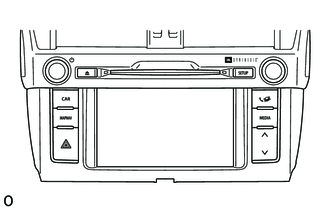
-
7.0-inch Display
-
AM/FM Tuner
-
CD Player
-
CD-TEXT Display Function
-
MP3, WMA and AAC Playback Function
-
iPod Operation Function
-
Stereo Jack Adapter (USB/AUX Port)
-
Bluetooth Audio System
-
Bluetooth Hands-free System
-
Digital Audio Broadcast (DAB) Tuner (Models with Digital Audio Broadcast (DAB) Tuner)
-
Radio Data System Traffic Message Channel (RDS-TMC) Tuner
-
Siri/Google Now Function
-
Extension Box: Harman Becker
-
14-speaker (JBL) System
-
Manufacturer: Panasonic
Navigation System
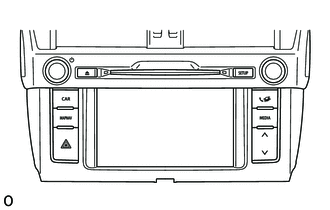
-
7.0-inch Display
-
AM/FM Tuner
-
CD Player
-
CD-TEXT Display Function
-
MP3, WMA and AAC Playback Function
-
iPod Operation Function
-
Stereo Jack Adapter (USB/AUX Port)
-
Bluetooth Audio System
-
Bluetooth Hands-free System
-
Digital Audio Broadcast (DAB) Tuner (Models with Digital Audio Broadcast (DAB) Tuner)
-
Radio Data System Traffic Message Channel (RDS-TMC) Tuner
-
Siri/Google Now Function
-
Extension Box: Harman Becker
-
12-speaker System
-
Manufacturer: Panasonic
Navigation System
-
7.0-inch Display
-
AM/FM Tuner
-
CD Player
-
CD-TEXT Display Function
-
MP3, WMA and AAC Playback Function
-
iPod Operation Function
-
Stereo Jack Adapter (USB/AUX Port)
-
Bluetooth Audio System
-
Bluetooth Hands-free System
-
Digital Audio Broadcast (DAB) Tuner (Models with Digital Audio Broadcast (DAB) Tuner)
-
Radio Data System Traffic Message Channel (RDS-TMC) Tuner
-
Siri/Google Now Function
-
Extension Box: Harman Becker
-
14-speaker System
-
Manufacturer: Panasonic
Navigation System
Navigation Receiver Assembly (Models for Destination Package for Taiwan) 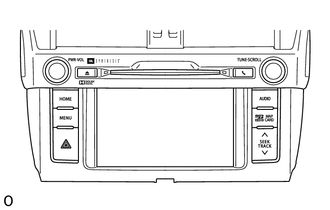
-
7.0-inch Display
-
AM/FM Tuner
-
CD/DVD Player
-
CD-TEXT Display Function
-
MP3, WMA and AAC Playback Function
-
iPod Operation Function
-
Stereo Jack Adapter (USB/AUX Port)
-
Bluetooth Audio System
-
Bluetooth Hands-free System
-
Radio Data System Traffic Message Channel (RDS-TMC) Tuner
-
Micro SD Card: FUJITSU TEN
-
14-speaker (JBL) System
-
Manufacturer: FUJITSU TEN
Navigation System
-
-
6-speaker System
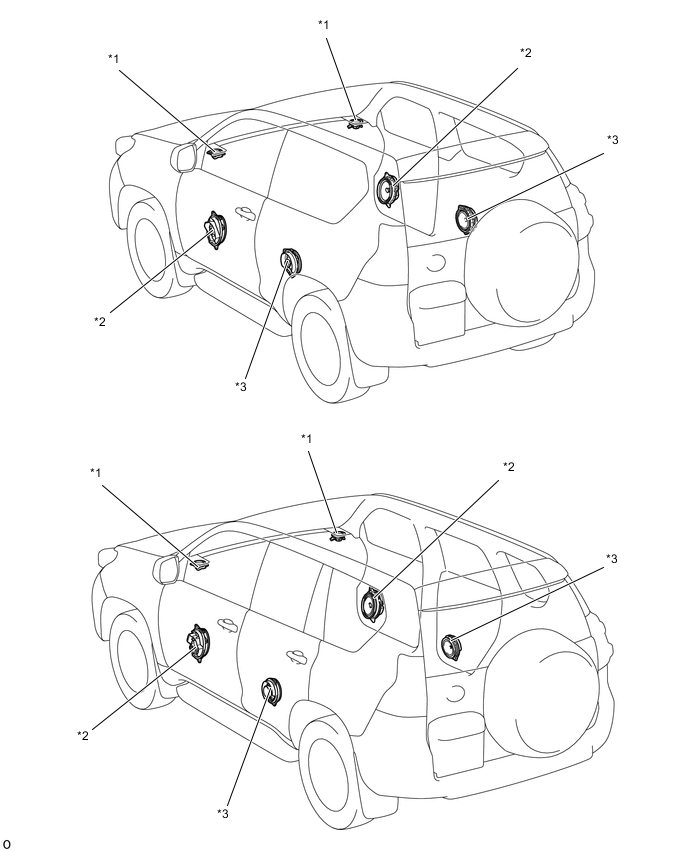
Location Speaker Type Caliber Impedance Input Range *1 Front Tweeter x 2 25 mm (1.0 in.) 4 Ω 20 W *2 Front Speaker x 2 152 mm (6.0 in.) x 229 mm (9.0 in.) 4 Ω 20 W *3 Rear Speaker*a or Rear Door Speaker*b x 2 160 mm (6.3 in.) 4 Ω 20 W
-
*a: 3-door models
-
*b: 5-door models
-
-
9-speaker System
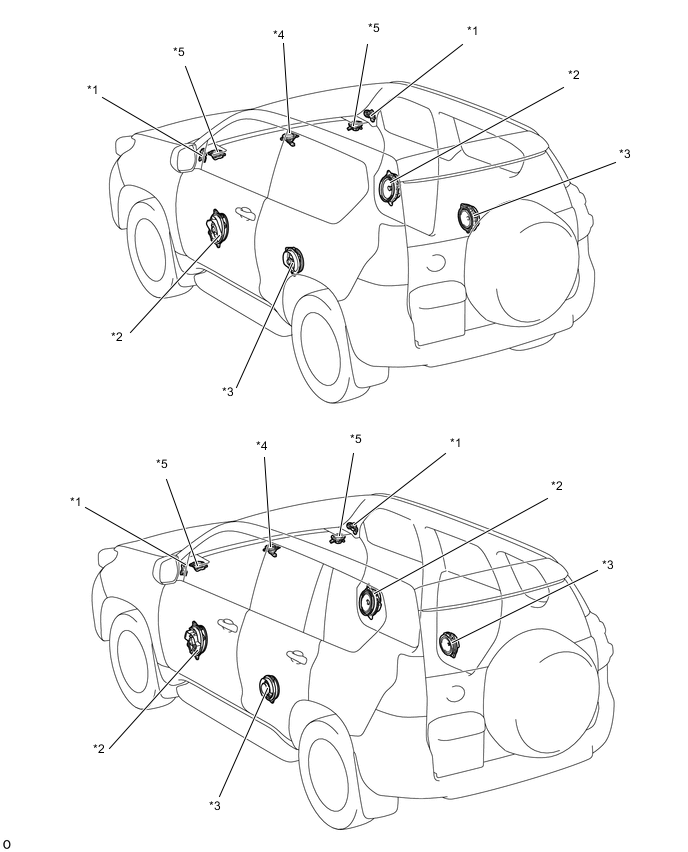
Location Speaker Type Caliber Impedance Input Range *1 Front Tweeter x 2 25 mm (1.0 in.) 4 Ω 25 W *2 Woofer x 2 152 mm (6.0 in.) x 229 mm (9.0 in.) 4 Ω 21 W *3 Rear Speaker*a or Rear Door Speaker*b x 2 160 mm (6.3 in.) 4 Ω 21 W *4 Center Speaker 65 mm (2.6 in.) 6 Ω 15 W *5 Front Mid Range Speaker x 2 65 mm (2.6 in.) 4 Ω 21 W
-
*a: 3-door models
-
*b: 5-door models
-
-
12-speaker System
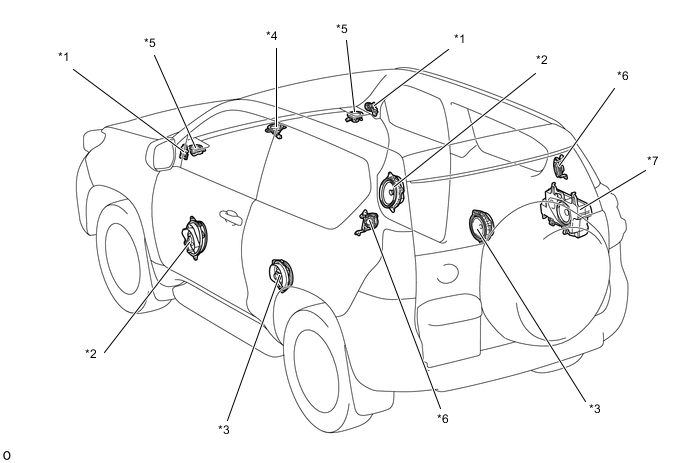
Location Speaker Type Caliber Impedance Input Range *1 Front Tweeter x 2 25 mm (1.0 in.) 4 Ω 25 W *2 Woofer x 2 152 mm (6.0 in.) x 229 mm (9.0 in.) 4 Ω 21 W *3 Rear Speaker x 2 160 mm (6.3 in.) 4 Ω 21 W *4 Center Speaker 90 mm (3.5 in.) 6 Ω 15 W *5 Front Mid Range Speaker x 2 90 mm (3.5 in.) 4 Ω 21 W *6 Surround Speaker x 2 90 mm (3.5 in.) 4 Ω 21 W *7 Sub-woofer 160 mm (6.3 in.) 4 Ω 20 W -
14-speaker System
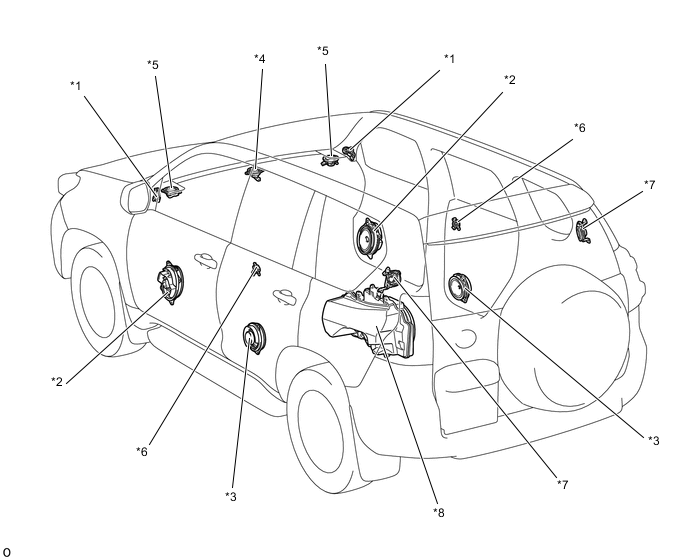
Models with Pioneer System Location Speaker Type Caliber Impedance Input Range *1 Front Tweeter x 2 25 mm (1.0 in.) 4 Ω 25 W *2 Woofer x 2 152 mm (6.0 in.) x 229 mm (9.0 in.) 4 Ω 21 W *3 Rear Speaker x 2 160 mm (6.3 in.) 4 Ω 21 W *4 Center Speaker 90 mm (3.5 in.) 6 Ω 15 W *5 Front Mid Range Speaker x 2 90 mm (3.5 in.) 4 Ω 21 W *6 Rear Tweeter x 2 25 mm (1.0 in.) 4 Ω 25 W *7 Surround Speaker x 2 90 mm (3.5 in.) 4 Ω 21 W *8 Sub-woofer 200 mm (7.8 in.) 3 Ω 26 W Models with JBL System Location Speaker Type Caliber Impedance Input Range *1 Front Tweeter x 2 19 mm (0.7 in.) 3.4 Ω 16 W *2 Woofer x 2 152 mm (6.0 in.) x 229 mm (9.0 in.) 1.8 Ω 28 W *3 Rear Speaker x 2 160 mm (6.3 in.) 2.2 Ω 29 W *4 Center Speaker 80 mm (3.2 in.) 2 Ω 10 W *5 Front Mid Range Speaker x 2 80 mm (3.2 in.) 2 Ω 10 W *6 Rear Tweeter x 2 19 mm (0.7 in.) 3.4 Ω 16 W *7 Surround Speaker x 2 80 mm (3.2 in.) 2 Ω 10 W *8 Sub-woofer 200 mm (7.8 in.) 2 Ω 40 W
-
-
MAIN FEATURES
-
T-Connect (Models with T-Connect)
-
The T-Connect is a service that uses an exclusive smartphone* application to offer a variety of information and provide an easy, secure, safe and convenient vehicle ownership experience.
Tech Tips
*: Depending on the type of cellular phone, Connected Service may not be supported.
-
By using T-Connect, users can utilize contents such as a map guide service, operator service and traffic information.
-
For details of the contents available on T-Connect, please contact a dealer.
-
By connecting a smartphone with the exclusive application to either the radio and display receiver assembly or the navigation receiver assembly, the smartphone display can be shown on-screen. Users are also able to operate the smartphone using the screen.*
Tech Tips
*: iPhone and Android phones require different connection methods. For details, please contact a dealer.
To use T-Connect, users must register through the exclusive smartphone application. For details, please contact a dealer.
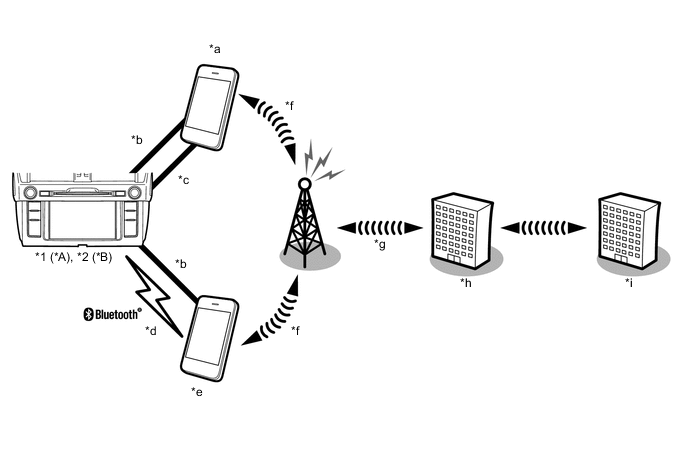
Text in Illustration *A Models with Display Audio System *B Models with Navigation System *1 Radio and Display Receiver Assembly *2 Navigation Receiver Assembly *a iPhone *b USB *c AUX *d Bluetooth Wireless Connection *e Android *f Cellular Network *g Internet *h Toyota Center *i Global Data Center - -
-
-
Toyota Link (Models for Australia and New Zealand)
-
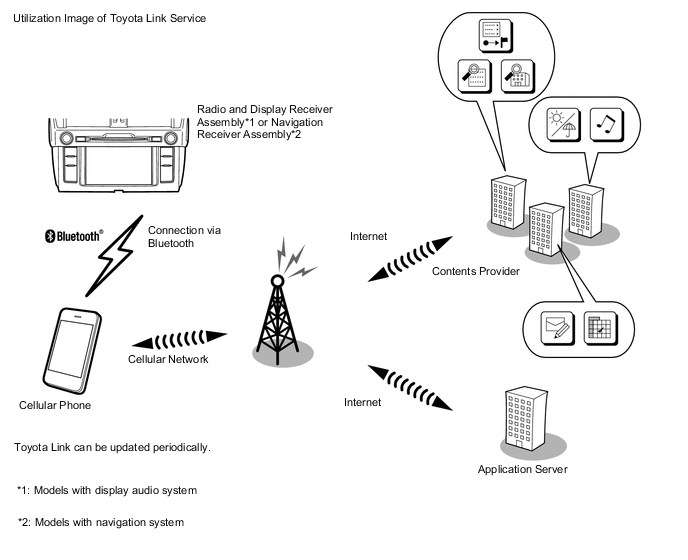
The Toyota Link service makes it possible to operate specified applications on the radio and display receiver assembly*1 or navigation receiver assembly*2 by using Bluetooth to connect the navigation system to a cellular phone with the Toyota Link application installed.
-
*1: Models with display audio system
-
*2: Models with navigation system
-
-
The Toyota Link service enables communication between the navigation system, application server and content provider utilizing the Toyota Link application installed on a cellular phone.
-
The following applications ("Apps") are available for the Toyota Link service: Local business search, internet radio, Restaurant reservation service, Movie ticket purchase, Fuel Price information, Sports information, Stock information, Local traffic information, weather information, etc. However, since this supported application lineup is subject to change, visit http://www.toyota.com.au/owners for details on the Toyota Link service.
-
-
Application (Models with Navigation System (with Extension Box))
-
Available applications are listed in the following table:
Application Outline Preinstalled Application Weather Weather information for the selected areas, such as present vehicle position, destination or a searched areas, for the next 5 days can be displayed on the multi-display. Fuel
-
The location and fuel price information of gas stations near the vehicle are displayed as a list on the multi-display.
-
These gas stations can also be set as a destination.
Parking
-
The location and available spaces of parking lots near the vehicle are displayed as a list on the multi-display.
-
These parking lots can also be set as a destination.
Toyota Assistance
-
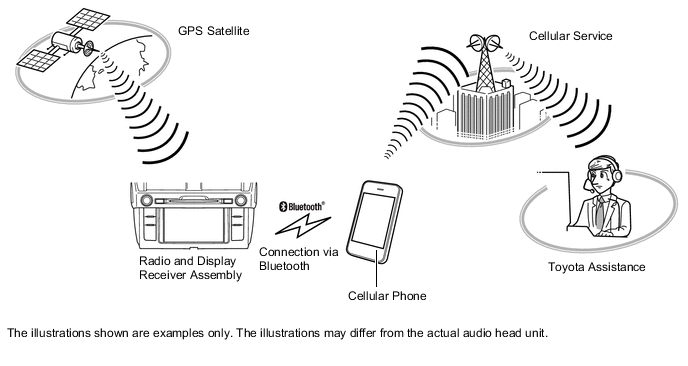
With a Bluetooth phone connected to the radio and display receiver assembly, a call*2 to Toyota assistance service can be made.
-
Upon receiving the information from the GPS satellite, the vehicle's current location is displayed on the Toyota assistance service call screen so that the user will be able to promptly tell the operator the current location of the vehicle.
Street View
-
Google street view, which shows panoramic images along streets, is available. The street view of the desired location can be displayed on the multi-display.*3
-
A location searched for using street view can be set as a destination.
Pictures When a USB memory device is connected to the radio and display receiver assembly, pictures stored on the USB memory device can be displayed on the multi-display as well as played as a slide show.*4 Calendar*1 When a Bluetooth phone is connected to the radio and display receiver assembly, calendar entries, tasks and notes stored in the phone can be downloaded and displayed on the multi-display.*5
-
*1: Models with extension box (high grade)
-
*2: Calls are only available when the user is in a Toyota assistance service supported country and the country in which the vehicle is currently located has been selected using the multi-display.
-
*3: Up to 6 pictures per location can be displayed.
-
*4: Available image data formats: JPEG, PNG and BMP
-
*5: This function may not be available depending on the model of the cellular phone connected via Bluetooth.
Figure 1. Toyota Assistance Image
-
-
-
MirrorLinkTM*1 Function
-
To utilize the MirrorLinkTMfunction, it is necessary to connect a compatible smartphone*2 to the radio and display receiver assembly or the navigation receiver assembly using a USB cable.
-
After a connection is established, the screen of the smartphone is displayed on the radio and display receiver assembly or the navigation receiver assembly. Using this screen, the user can operate applications installed on the smartphone and listen to the audio of the smartphone via the vehicle speakers. Operation via the smartphone is also possible.
Tech Tips
-
*1: MirrorLink is a registered trademark of Car Connectivity Consortium LCC.
-
*2: To use this function, a compatible device with a compatible application must be connected to the system. Furthermore, compatible devices and applications may differ depending on which version of MirrorLink is installed to the audio head unit. (The version of MirrorLink installed to the vehicle cannot be directly confirmed. See the following table for details.)
Compatible devices and applications MirrorLink Version Manufacturer Device Application Ver.1.0 Nokia 701, N8 or N9
-
Nokia Drive
-
Nokia Music
Samsung Galaxy S3 DriveLink Ver.1.1 or later For details, refer to http://carconnectivity.org/ and http://www.mirrorlink.com/ -
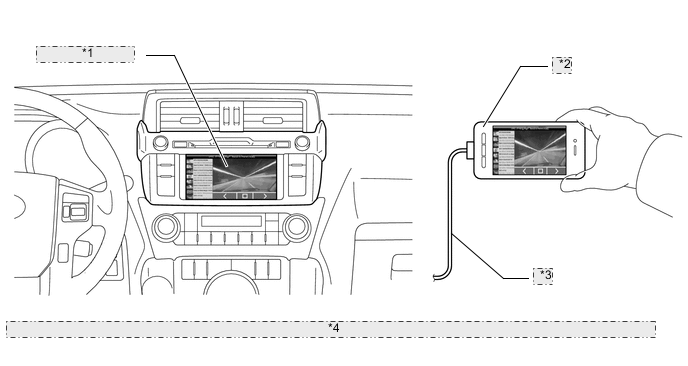
*1 MirrorLink Screen *2 Smartphone *3 Connection via USB cable *4 The illustrations shown are examples only. The illustrations may differ from the actual vehicle screens. -
-
-
Rear Seat Entertainment System (RSE)
-
A 9-inch Wide Video Graphics Array (WVGA) monitor is used for the television system. In addition, Light Emitting Diodes (LEDs) are used to provide mercury-free backlighting. This reduces the burden on the environment and ensures brightness.
-
The RSE displays images from the Blu-ray, DVD and CD compatible player, the SD card player on the television display assembly or an A/V port on the console box rear end panel. The RSE also outputs sound via the speakers or headphones.
-
A menu screen exclusive to the rear seat entertainment system is provided, thus enhancing operability of each content selection.
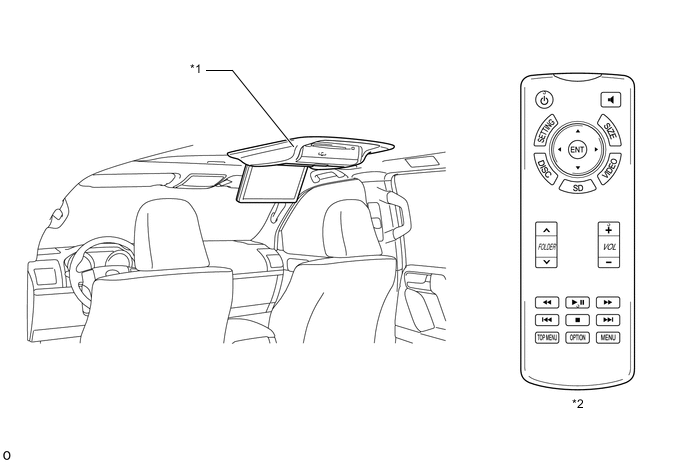
Text in Illustration *1 Television Display Assembly *2 Remote Controller (Television Switch and Volume Assembly)
-
-
-
PRECAUTION
-
Ignition Switch Expressions
-
The type of ignition switch used on this model differs depending on the specifications of the vehicle. The expressions listed in the table below are used in this section.
Expression Ignition Switch (Position) Engine Switch (Condition) Ignition Switch off LOCK Off (Lock) Ignition Switch ACC ACC On (ACC) Ignition Switch ON ON On (IG) Engine Start START On (Start)
-
-