BRAKE CONTROL SYSTEM
-
FUNCTION OF MAIN COMPONENTS
Component Function Combination Meter Assembly Brake System Warning Light
-
Lights up to alert the driver when the skid control ECU detects a malfunction in the EBD.
-
Lights up to alert the driver when the brake fluid level is low.
-
Lights up to alert the driver that the hydraulic pressure of the brake booster accumulator assembly in the hydraulic brake booster assembly has decreased.
-
Lights up to inform the driver of the parking brake condition.
ABS Warning Light Lights up to alert the driver when the skid control ECU detects a malfunction in the ABS or multi-terrain ABS. Slip Indicator Light Blinks to inform the driver when the TRC, A-TRC, VSC, hill-start assist control and CRAWL are operational. VSC OFF Indicator Light Lights up to inform the driver that the VSC OFF mode has been entered using the VSC OFF switch. Downhill Assist Control Indicator Light*1 Lights up to inform the driver that the downhill assist control switch has been turned on. CRAWL Indicator Light*2 Lights up to inform the driver that the CRAWL ON/OFF switch has been turned on. Multi-terrain Select Indicator Light*3 Lights up to inform the driver that multi-terrain select control is available. Master Warning Light Lights up and sounds the buzzer in the combination meter assembly to inform the driver that CRAWL control has been released. Multi-terrain Select Indicator*3 Displays the selected road mode. Multi-information Display*4
-
Displays to inform the driver that the TRC OFF mode has been entered using the VSC OFF switch.
-
Displays multi-terrain select operation assist messages.
-
Informs the driver of the status of the CRAWL operation.
Multi Buzzer Sounds intermittently to inform the driver that the VSC or hill-start assist control is active. Front and Rear Speed Sensors Detects the wheel speed of each of the 4 wheels. Yaw Rate Sensor Assembly (with Built-in Deceleration Sensor)
-
Detects the vehicle's longitudinal and lateral acceleration.
-
Detects the vehicle's yaw rate.
Steering Angle Sensor Detects the direction and angle of the steering wheel. Stop Light Switch Assembly Detects the brake pedal depressing signal. Parking Brake Switch Assembly Detects that the parking brake pedal is depressed. Center Differential Lock Detection Switch (Built into Transfer Shift Actuator Assembly) Detects the center differential lock condition. VSC OFF Switch Enables the driver to select "Normal Mode", "TRC OFF Mode", or "VSC OFF Mode". Multi-information Switch
-
Switches the screen of the multi-information display.
-
Selects multi-terrain select road mode.
CRAWL ON/OFF Switch*2 Turns the CRAWL on and off. CRAWL Speed Selector Switch*2 Used to select the target vehicle speed when the CRAWL is active. Downhill Assist Control Switch*1 Turns the downhill assist control on and off. Hydraulic Brake Booster Assembly Changes the brake fluid path based on the signals from the skid control ECU during the operations of the brake control functions in order to control the fluid pressure that is applied to the wheel cylinders. Brake Fluid Level Warning Switch (Built into Hydraulic Brake Booster Assembly) Detects that the brake fluid level is low. Master Cylinder Pressure Sensor (Built into Hydraulic Brake Booster Assembly) Detects the master cylinder pressure and outputs this information to the skid control ECU. Accumulator Pressure Sensor (Built into Hydraulic Brake Booster Assembly) Monitors the hydraulic pressure of the brake booster accumulator assembly and outputs this information to the brake booster pump assembly control. Control Pressure Sensor*4 (Built into Hydraulic Brake Booster Assembly) In the brake control of the pre-crash safety system, hydraulic pressure is applied from the brake booster accumulator assembly to each wheel cylinder, generating braking force automatically. The control pressure sensor detects the control hydraulic pressure at that time. Switching Solenoid Valve (Built into Hydraulic Brake Booster Assembly) Switches the brake hydraulic path when the brake control system is activated. Control Solenoid Valve (Built into Hydraulic Brake Booster Assembly) Controls the hydraulic pressure that is applied to the wheel cylinders during brake control. Brake Booster Pump Assembly (Built into Hydraulic Brake Booster Assembly) Draws up the brake fluid from the brake master cylinder reservoir and provides high hydraulic pressure to the brake booster accumulator assembly. Skid Control ECU Judges the vehicle driving condition based on signals from each sensor, and sends brake control signals to the hydraulic brake booster assembly. 4WD Control ECU Sends the transfer drive mode. ECM
-
Sends the throttle position signal, accelerator pedal position signal, engine speed signal etc., to the skid control ECU.
-
Based on the signals received from the skid control ECU, controls the engine output.
-
*1: Models with downhill assist control
-
*2: Models with CRAWL
-
*3: Models with multi-terrain select
-
*4: Models with dynamic radar cruise control system
-
-
SYSTEM CONTROL
Control Outline Anti-lock Brake System (ABS) The ABS helps prevent the wheels from locking when the brakes are applied firmly or when braking on a slippery surface. Multi-terrain Anti-lock Brake System (Multi-terrain ABS) In addition to the existing ABS function, the multi-terrain ABS automatically calculates the optimum ABS control in accordance with off-road conditions such as dirt or sandy roads. Electronic Brake Force Distribution (EBD) The EBD control utilizes ABS, achieving proper brake force distribution between the front and rear wheels in accordance with driving conditions. In addition, during braking while cornering, it also controls the brake forces of the right and left wheels, helping maintain vehicle behavior. Brake Assist
-
The primary purpose of brake assist is to provide an auxiliary brake force to assist a driver who cannot generate a large brake force during emergency braking, thus helping ensure the vehicle's braking performance.
-
If the brake booster malfunctions and the skid control ECU judges that the brake pedal force applied by the driver is not sufficient to ensure adequate braking force, brake assist is used to enhance the braking force.
Traction Control (TRC) The TRC helps restrain the slippage of the drive wheels if the driver depresses the accelerator pedal excessively when starting off or while accelerating on a slippery surface. Active Traction Control (A-TRC) A-TRC controls the brake hydraulic pressure that is applied to the slipping wheel, and distributes the drive force that would have been lost through the slippage to the remaining wheels in order to achieve an LSD effect. Vehicle Stability Control (VSC) The VSC helps restrain sideways slippage of the vehicle during a strong front wheel skid or strong rear wheel skid, which may occur while cornering. Hill-start Assist Control When the vehicle starts off on a steep or a slippery hill, hill-start assist control detects the backward descent of the vehicle and effects 4-wheel hydraulic pressure control to reduce the backward speed of the vehicle. As a result, the vehicle can be started off on a hill more easily. Downhill Assist Control When the downhill assist control switch is pressed while the transfer drive mode is in L4F and L4L, and without accelerator or brake pedal operation, downhill assist control activates to effect 4-wheel hydraulic pressure control, in order to maintain a constant low vehicle speed without causing the wheels to become locked. Thus, the vehicle can descend a steep hill in a stable manner. CRAWL When the vehicle runs on extremely bumpy rough ground or a slippery road, the CRAWL is activated to regulate the engine output and the hydraulic pressure of the 4 wheels, allowing the driver to drive the vehicle at the desired speed and keep that speed with virtually no accelerator or brake pedal operation. As a result, off-road driveability is improved.
-
Anti-lock Brake System (ABS)
-
The ABS prevents the wheels from locking during sudden braking or braking on a slippery surface. This provides the proper braking force when the vehicle slips, thus ensuring vehicle stability and excellent braking performance.
Figure 1. Illustration Provides Conceptual Image
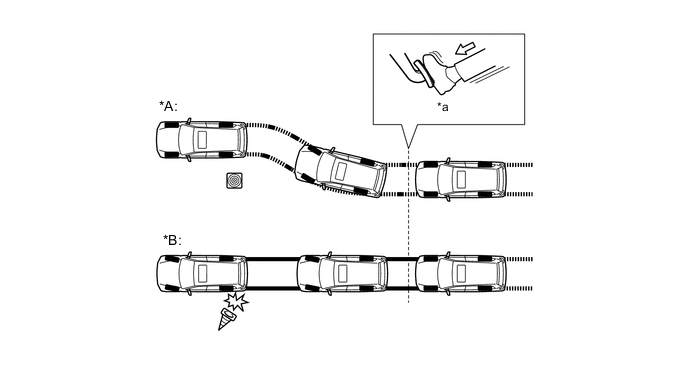
*A Models with ABS *B Models without ABS *a Brake Operation - -
-
-
Multi-terrain Anti-lock Brake System (Multi-terrain ABS)
-
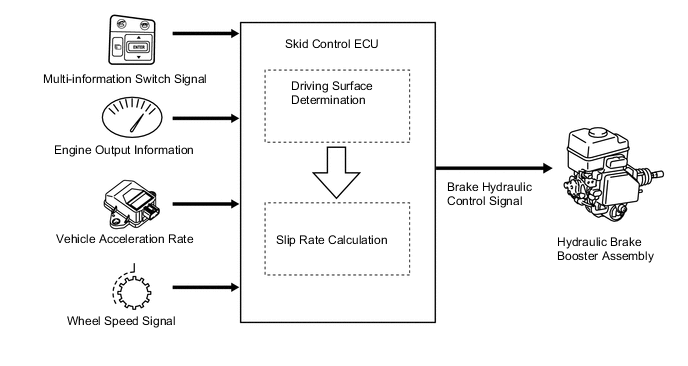
The multi-terrain ABS operates in conjunction with the multi-terrain select. This function detects off-road driving in sand, mud, gravel, dirt and so on based on signals from the yaw rate sensor assembly, the speed sensor and the ECM, and then automatically switches to the ABS control most appropriate for the road condition.
-
This function is intended to improve the braking feeling when driving off-road without negatively affecting on-road braking control performance.
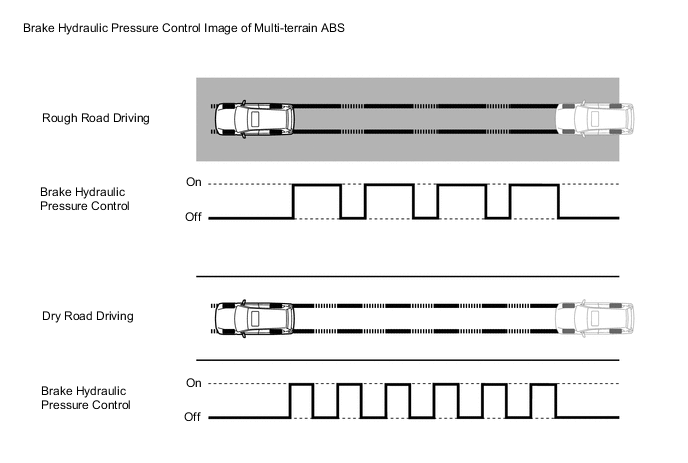
-
-
Electronic Brake Force Distribution (EBD)
-
This function controls the brake force that acts on the rear wheels in accordance with the changes in the vehicle conditions such as load factors or deceleration, in order to ensure excellent braking performance.
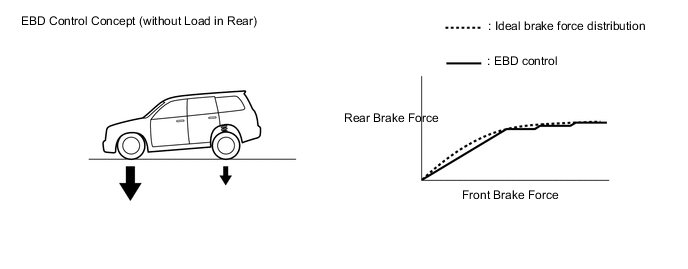
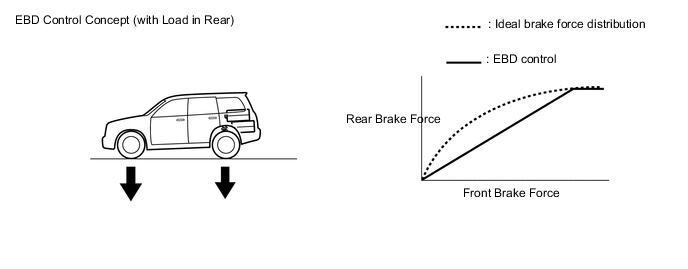
-
During cornering braking, this function controls the brake force that acts on the left and right wheels in accordance with the vehicle conditions. This ensures vehicle stability and excellent braking performance.
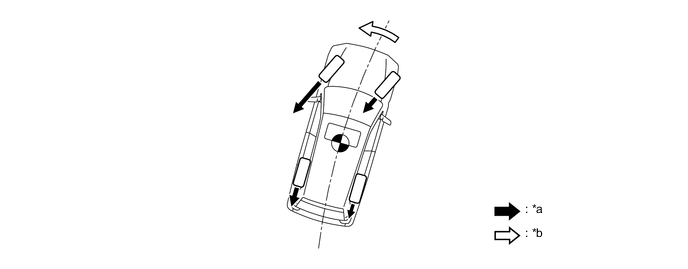
*a Brake Force *b Control Moment
-
-
Brake Assist
-
During the brake assist, the skid control ECU calculates the speed of the brake pedal application based on the signals from the master cylinder pressure sensor and then determines the intention of the driver to make an emergency brake application. If the skid control ECU determines that the driver intends to make an emergency brake application, this function activates the hydraulic brake booster assembly to increase the brake fluid pressure, which increases the brake force.
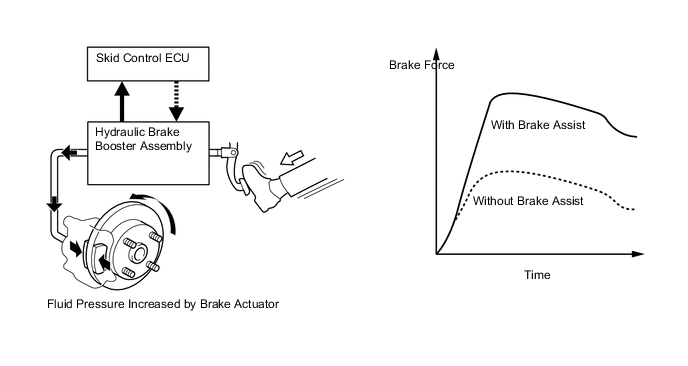
-
-
Traction Control (TRC)
-
The TRC helps prevent the drive wheels from slipping if the driver depresses the accelerator pedal excessively when starting off or accelerating on a slippery surface. Simultaneously with the hydraulic brake control of the drive wheels, the skid control ECU makes a request to the ECM to effect engine output control. This produces the drive force that suits the driving conditions, in order to ensure the proper start-off acceleration.
Figure 2. Driving on Road with Different Surface Friction Characteristics
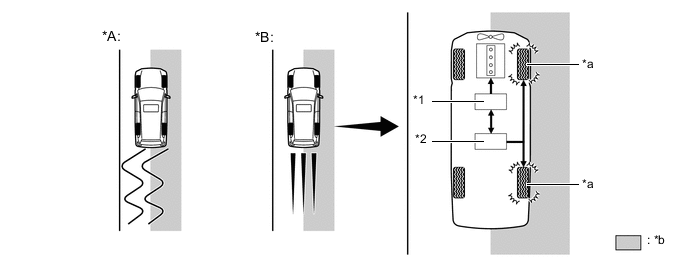
*A Models without TRC *B Models with TRC *1 ECM
- Engine Output Control
*2 Brake Actuator Assembly
- Hydraulic Brake Control
*a Brake Slipping Drive Wheel *b Slippery Surface
-
-
Active Traction Control (A-TRC)
-
When the vehicle drive mode is L4F* or L4L*, the A-TRC helps restrain wheelspin by controlling the brake hydraulic pressure that is applied to the spinning wheels, and distributes the drive force that would have been lost through the slippage to the remaining wheels in order to achieve an effect that is similar to Limited Slip Differential (LSD).
Tech Tips
*: When multi-terrain select is on (models with multi-terrain select)
-
The A-TRC independently controls the brake hydraulic pressure to the four wheels in accordance with the extent of the slippage at the wheels, as detected by the skid control ECU.
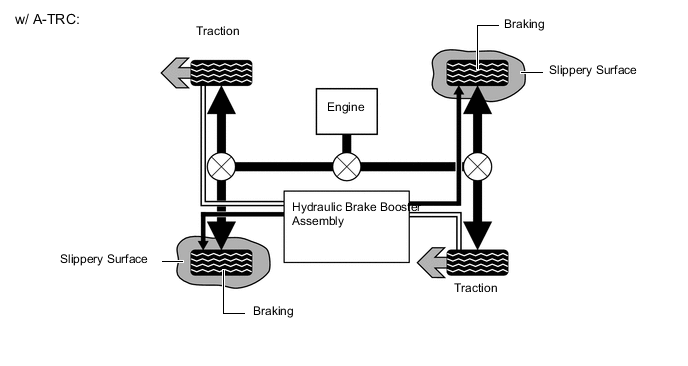
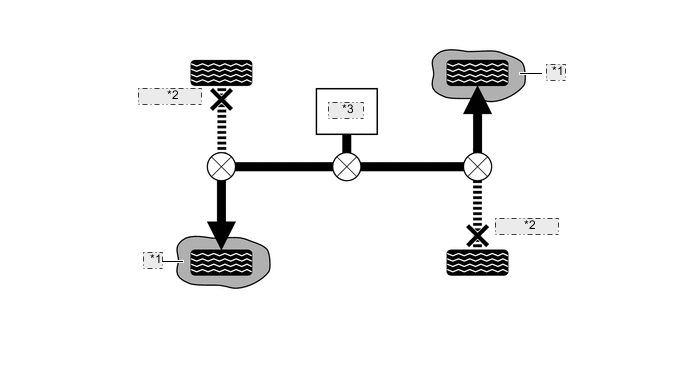
w/o A-TRC *1 Slippery Surface *2 No Traction *3 Engine
-
-
Vehicle Stability Control (VSC)
-
The following are 2 examples that can be considered circumstances in which the tires exceed their lateral grip limit. The VSC is designed to help control the vehicle behavior by controlling the engine output and the brakes of each wheel when the vehicle is under one of the conditions indicated below:
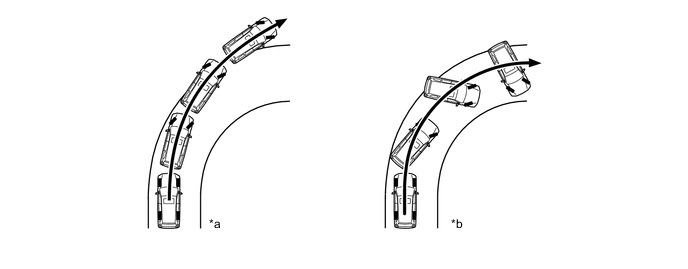
*a Front Wheel Skid Tendency (Understeer)
- When the front wheels lose grip in relation to the rear wheel
*b Rear Wheel Skid Tendency (Oversteer)
- When the rear wheels lose grip in relation to the front wheels
-
To determine the condition of the vehicle, sensors detect the steering angle, vehicle speed, vehicle yaw rate, and vehicle's lateral acceleration, which are then calculated by the skid control ECU.
-
Whether or not the vehicle is experiencing a front wheel skid is determined by the difference between the target yaw rate and the vehicle's actual yaw rate. When the vehicle's actual yaw rate is smaller than the target yaw rate (which is determined based on the vehicle speed and steering angle) that should be generated when the driver operates the steering wheel, it means the vehicle is making a turn at a greater angle than the target locus of travel. Thus, the skid control ECU determines that there is a large front wheel skid tendency.
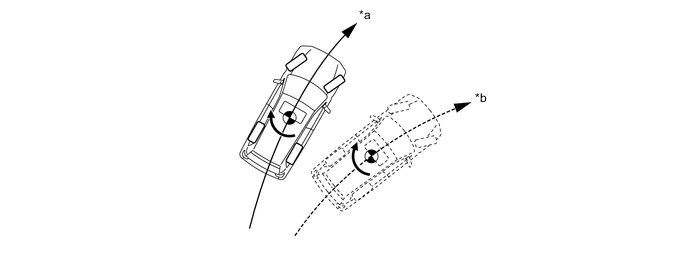
*a Actual Locus of Travel (Actual Yaw Rate) *b Locus of Travel Based on Target Yaw Rate -
Whether or not the vehicle is experiencing a rear wheel skid is determined by the values of the vehicle's slip angle and the vehicle's slip angular velocity (time-dependent changes in the vehicle's slip angle). When the vehicle's slip angle is large, and the slip angular velocity is also large, the skid control ECU determines that the vehicle has a large rear wheel skid tendency.

*a Travel Direction of Vehicle's Center of Gravity *b Movement of Vehicle *c Slip Angle - - -
When the skid control ECU determines that the vehicle exhibits a tendency to experience a front wheel skid or a rear wheel skid, it decreases the engine output and applies the brakes of the front or rear wheels to control the vehicle's yaw moment. The basic operation of the VSC is described below. However, the control method differs depending on the vehicle's characteristics and driving conditions.
-
When the skid control ECU determines that there is a large front wheel skid tendency, it takes countermeasures in accordance with the extent of that tendency. The skid control ECU controls the engine output and applies the brakes of the rear wheels and front wheel on the outer circle of the turn in order to help restrain the front wheel skid tendency.
Figure 3. Front Wheel Skid Dampening at Right Turn
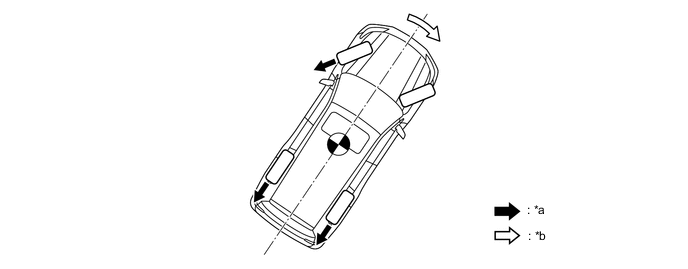
*a Brake Force *b Control Moment -
When the skid control ECU determines that there is a large rear wheel skid tendency, it takes countermeasures in accordance with the extent of that tendency. It applies the brakes of the front and rear wheels of the outer circle of the turn, and generates an outward moment of inertia in the vehicle, in order to restrain the rear wheel skid tendency. Along with the reduction in the vehicle speed caused by the braking force, excellent vehicle stability is ensured. In some cases, the skid control ECU applies the brake of the front wheel on the outer circle of the turn, as necessary.
Figure 4. Rear Wheel Skid Dampening at Right Turn
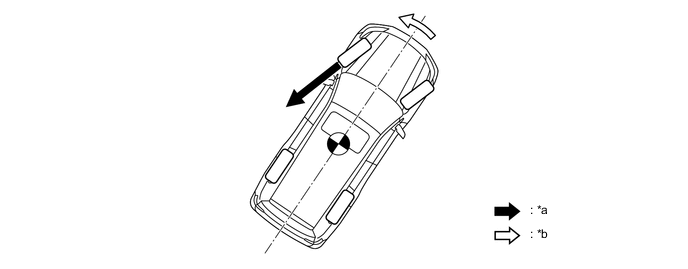
*a Brake Force *b Control Moment
-
-
Hill-start Assist Control
-
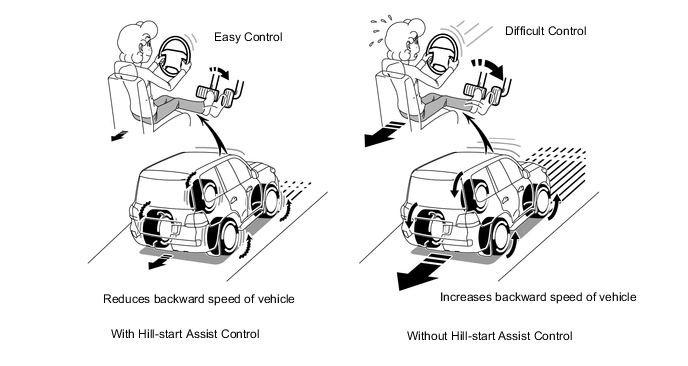
When the vehicle starts off on a steep or slippery hill, the vehicle may start to descend backward while the driver switches from the brake pedal to the accelerator pedal, thus making it difficult for the vehicle to start off. To prevent this from occurring, the hill-start assist control temporarily (approximately 5 seconds at the maximum) applies the brakes to the 4 wheels in order to prevent the vehicle from descending backward.
-
Without the hill-start assist control, the driver must quickly and precisely switch from the brake pedal to the accelerator pedal. With the hill-start assist control, however, the driver can start off easily and operate the pedal in a relaxed manner, because the hill-start assist control prevents the vehicle from descending backward.
-
-
Downhill Assist Control
-
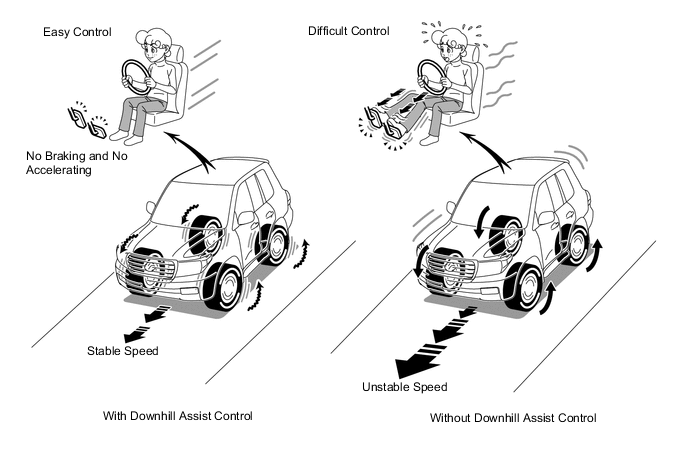
When the vehicle is descending a steep hill and the engine brake alone cannot provide a sufficient deceleration force while the transfer drive mode is in L4F or L4L, downhill assist control effects 4 wheel brake control to maintain a constant, low vehicle speed. Thus, the vehicle is able to descend in a stable manner without causing the wheels to lock.
-
When the vehicle descends a steep hill without downhill assist control, the driver must pay close attention to the brake and accelerator pedal maneuvers. However, with downhill assist control, the driver can concentrate on the steering operation, without accelerator or brake pedal operation.
-
Downhill assist control enables the vehicle to maintain stability because it can descend a slippery hill at low speeds without causing the wheels to lock.
-
-
CRAWL
-
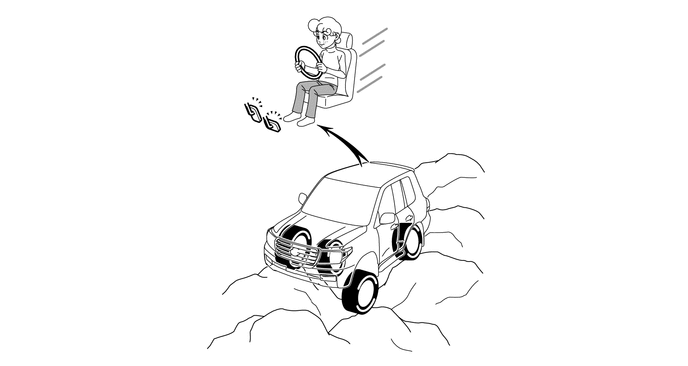
The CRAWL is a driving support system that regulates the engine output and the brake force, enabling the vehicle to be driven at a constant speed on rough ground or slippery roads.
-
When the vehicle drives across rough ground such as extremely bumpy rough roads, the driver needs to pay attention to the steering, braking and acceleration operations. However, with the CRAWL, the driver can concentrate on steering, without worrying about the accelerator pedal or brake pedal.
-
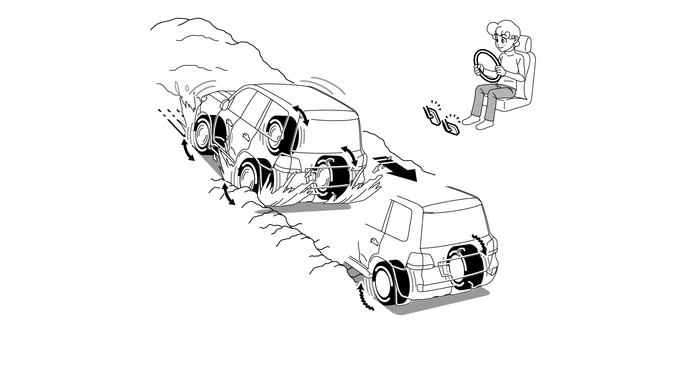
The CRAWL ensures good vehicle stability in situations such as when the vehicle is running on a slippery or steep road because the chances of the wheels spinning or locking are minimized by regulating the engine output and the brake force.
-
-
Multi-terrain Select
-
The multi-terrain select has the following functions:
Multi-terrain Select Function Sends the road mode that is selected by the multi-information switch to the skid control ECU, ECM and 4WD control ECU. Displays a message on the multi-information display prompting the driver to switch to the optimum transfer drive mode if the currently selected road mode and transfer drive mode are inappropriate. Displays an assist message on the multi-information display in order to make switching to the optimum transfer drive mode easier. Automatically switches to the optimum engine output control and switches the brake control function to A-TRC when the selected road mode and transfer drive mode are switched to the optimum position. -
The screen of the multi-information display is switched by operating the multi-information switch, control is enabled by determining the road mode, and the multi-terrain select indicator light flashes.
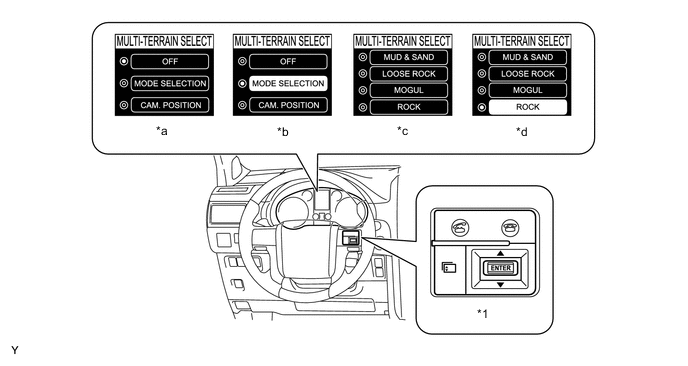
*1 Multi-information Switch
- ENTER Switch
- Menu Switch
- - *a Multi-terrain Select Selection Screen (Mode Select or Camera Selection) *b Multi-terrain Select Selection Screen (Determined Mode Select) *c Road Mode Selection Screen *d Road Mode Selection Screen (Determined Road Mode) -
4 road modes can be selected: "MUD and SAND", "LOOSE ROCK", "MOGUL" and "ROCK". The recommended road modes for each road condition are listed below.
Tech Tips
Road mode recommendations are for reference only. The mode may not be appropriate depending on the road conditions (incline, road surface, road undulation etc.).
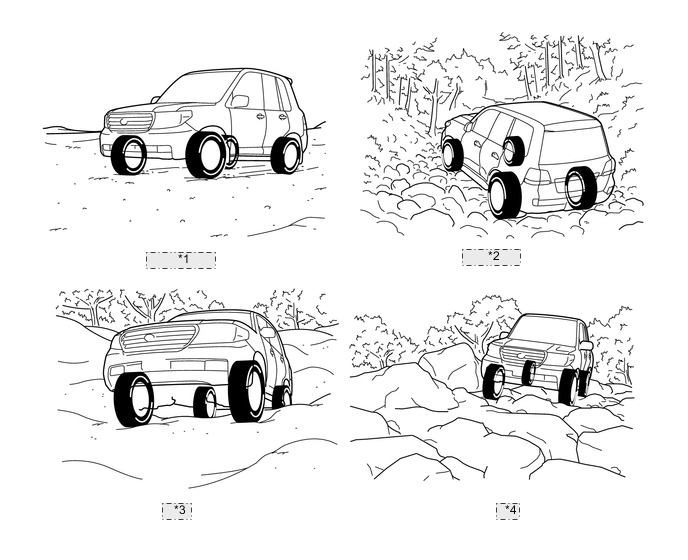
*1 MUD and SAND *2 LOOSE ROCK *3 MOGUL *4 ROCK 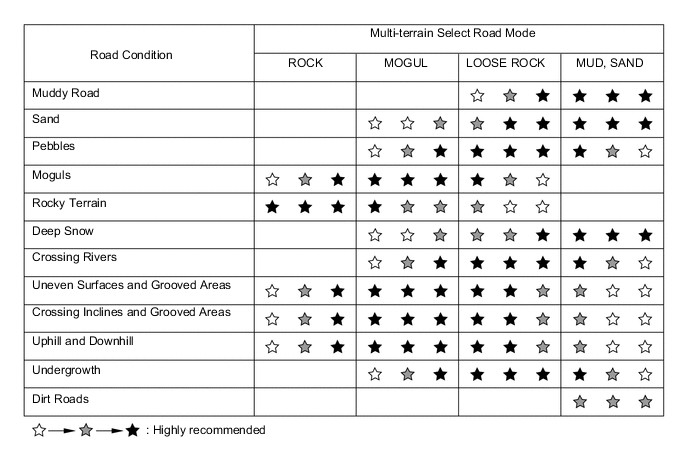
-
The engine output and A-TRC control tendency for each road mode are as follows:
Multi-terrain Select Road Mode Transfer Drive Mode Control Engine Control A-TRC Control MUD and SAND H4F, H4L, L4F, L4L Engine output control is performed gradually in response to accelerator pedal operation The wheel is allowed to slip more than usual LOOSE ROCK L4F, L4L Engine output control is performed gradually in response to accelerator pedal operation The wheel is allowed to slip more than usual MOGUL L4F, L4L Engine output control is performed gradually in response to accelerator pedal operation The wheel is made to slip more than usual ROCK L4F, L4L Engine output control is performed gradually in response to accelerator pedal operation The wheel is made to grip more than usual -
The driver is informed of multi-terrain select operation by the flashing or illumination of the multi-terrain select indicator light and the slip indicator light. Also, operation assist messages are displayed on the multi-information display.
System Condition Indicator Light and Multi-information Display Multi-terrain Select Indicator Light Slip Indicator Light Multi-information Display Message Operates ○ X - A-TRC Operates ○ ▲ - A-TRC Control → A-TRC Control Released ○ → X ▲ → X 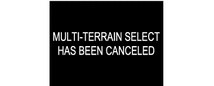
Control Commencement Conditions Not Met Transfer Drive Mode Mismatch ○ X 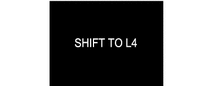
System Malfunction X ○ 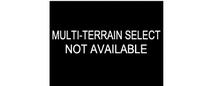
Vehicle Speed 12 km/h (7.5 mph) or more X X During CRAWL Control X ▲ 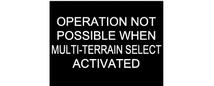
Malfunction Multi-terrain Select ▲ X Related System Switching Commencement Conditions Not Met ○ X 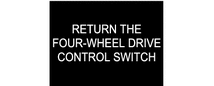
Operation Assist ○ X 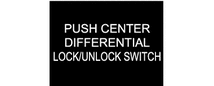
○ X 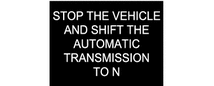
○ X 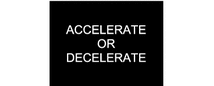
○ X 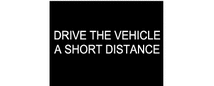
Tech Tips
○: Illuminates
▲: Blinks
X: Turns off
-
-
Operating Condition
-
The brake control function varies by the transfer drive mode as shown in the following table:
Models without CRAWL Transfer Drive Mode Brake Control Function ABS EBD Brake Assist TRC A-TRC VSC Hill-start Assist Control Downhill Assist Control H4F ○ ○ ○ ○ X ○ ○ X H4L ○ ○ ○ ○ X ○ ○ X L4F ○ ○ ○ X ○ ○ ○ ○ L4L ○ ○ ○ X ○ X ○ ○ Tech Tips
○: Operates
X: Does not operate
Models with CRAWL Transfer Drive Mode Brake Control Function ABS EBD Brake Assist TRC A-TRC VSC Hill-start Assist Control CRAWL H4F ○ ○ ○ ○ X ○ ○ X H4L ○ ○ ○ ○ X ○ ○ X L4F ○ ○ ○ X ○ ○ ○ ○ L4L ○ ○ ○ X ○ X ○ ○ Tech Tips
○: Operates
X: Does not operate
Models with Multi-terrain Select Transfer Drive Mode Brake Control Function ABS/Multi-terrain ABS* EBD Brake Assist TRC A-TRC VSC Hill-start Assist Control CRAWL Multi-terrain Select Off Multi-terrain Select On H4F ○ ○ ○ ○ X ○ ○ ○ X H4L ○ ○ ○ ○ X ○ ○ ○ X L4F ○ ○ ○ X X ○ ○ ○ ○ L4L ○ ○ ○ X X ○ X ○ ○ Tech Tips
○: Operates
X: Does not operate
*: The multi-terrain select is on
-
Hill-start Assist Control
-
The hill-start assist control operates when all of the following conditions have been met:
Hill-start Assist Control Operation Condition - The shift lever is in D or S.
- The brake pedal is not depressed.
- The skid control ECU has detected the backward movement of the vehicle when the driver is starting off on a hill.
-
The hill-start assist control stops operating when any of the following conditions have been met:
Hill-start Assist Control Ending Condition - The shift lever is in any position other than D or S.
- The brake pedal is depressed.
- Approximately 5 seconds have passed since control commenced.
-
-
Downhill Assist Control
-
The downhill assist control operates when all of the following conditions have been met:
Downhill Assist Control Operation Condition - The downhill assist control switch is on.
- The transfer drive mode is in L4F or L4L.
- The accelerator pedal and brake pedal are not depressed.
- When descending a hill at a sufficiently slow vehicle speed.
-
The downhill assist control stops operating when any of the following conditions have been met:
Downhill Assist Control Ending Condition - The downhill assist control switch is off.
- The transfer drive mode is in any position other than L4F or L4L.
- The accelerator pedal or brake pedal is depressed.
-
-
CRAWL
-
When the CRAWL ON/OFF switch is on with all of the following conditions met, the CRAWL control starts operating:
CRAWL Operation Condition - The transfer drive mode is in L4F or L4L.
- The shift lever is in R, D or S.
- The 2nd start switch is off.
- The driver door is closed.
Tech Tips
When the 2nd start switch is on, the engine output control is not operated.
-
The CRAWL control stops operating when any of the following conditions have been met:
CRAWL Operation Ending Condition - The CRAWL ON/OFF switch is off.
- The transfer drive mode is in any position other than L4F or L4L.
- The shift lever is in P or N.
- The driver door is opened.
- Vehicle speed is above 25 km/h (16 mph).
-
-
Multi-terrain Select
-
When all of the following conditions are met, the multi-terrain select can be turned on or off and road mode can be selected by operating the multi-information switch, and the multi-terrain select indicator light will illuminate.
-
If the drive mode most appropriate for the selected road mode is shifted to, the road mode will be displayed on the multi-terrain select indicator, and engine output control and A-TRC control will commence.
Multi-terrain Select Operation Condition - The transfer drive mode is in L4F or L4L*.
- Vehicle speed is 12 km/h (7.5 mph) or less.
- The CRAWL is off.
Tech Tips
*: If the "MUD and SAND" road mode is selected, the multi-terrain select will control when in transfer drive mode H4F, H4L, L4F or L4L.
-
If the transfer drive mode is shifted to H4F or H4L while the multi-terrain select is controlling in "LOOSE ROCK", "MOGUL" or "ROCK" road mode, multi-terrain select control will halt temporarily.
-
Multi-terrain select control will terminate if a malfunction occurs in the multi-information switch operation, the brake control system, the engine control system or the 4WD control system.
-
The 2nd start switch and VSC OFF switch cannot be operated while multi-terrain select is in operation.
-
-
-
-
FAIL-SAFE
-
If a failure occurs in the skid control ECU, sensors, or hydraulic brake booster assembly, the system continues effecting brake control by excluding the failed area and using only the areas that are operating normally.
-
-
DIAGNOSIS
-
If the skid control ECU detects a malfunction in the brake control system, the warning or indicator lights illuminate. At the same time, a Diagnostic Trouble Code (DTC) is stored in the memory of the skid control ECU.
-
This system has a sensor signal check (test mode) function.
-
For details of DTC and check function, refer to the corresponding Repair Manual for this model.
-