FUEL SYSTEM (w/o DPF) PRECAUTION

-
IGNITION SWITCH EXPRESSION
Tech Tips
The type of ignition switch used on this model differs depending on the specifications of the vehicle. The expressions listed in the table below are used in this section.
Expression Ignition Switch (Position) Engine Switch (Condition) Ignition Switch off LOCK Off Ignition Switch ACC ACC On (ACC) Ignition Switch ON ON On (IG) Engine Start START Start -
FUEL SYSTEM
-
Observe these precautions when disconnecting the fuel tube connector (for quick type A).
-
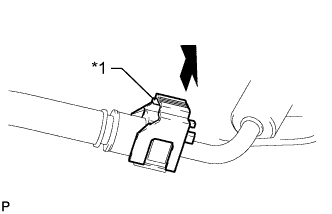
Text in Illustration *1 Fuel Tube Connector Cover Fuel Tube Connector Cover Type:
Detach the lock claw by lifting up the cover as shown in the illustration.
-
Check for dirt or mud on the pipe and around the connector before disconnection. Clean if necessary.
-
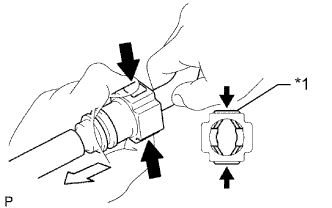
Pinch the connector and disconnect the connector and pipe.
Text in Illustration *1 Retainer 
Pinch 
Pull If the connector and the pipe are stuck, pinch the connector, push and pull the pipe to disconnect the pipe and pull it out.
Note
-
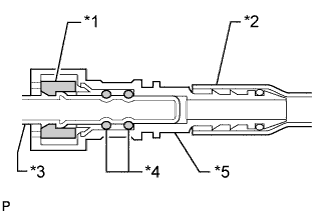
Check for foreign matter in the pipe and around the connector. Clean if necessary. Foreign matter may damage the O-ring or cause leaks in the seal between the pipe and connector.
-
Do not use any tools to separate the pipe and connector.
-
Do not forcefully bend or twist the nylon tube.
-
Check for foreign matter on the pipe seal surface. Clean if necessary.
-
Put the pipe and connector ends in plastic bags to prevent damage and foreign matter contamination.
-
If the pipe and connector are stuck together, pinch the connector between your fingers and turn it carefully to disconnect it.
Text in Illustration *1 Retainer *2 Nylon Tube *3 Pipe *4 O-Ring *5 Fuel Tube Connector -
-
Check for dirt or mud on the seal surface of the disconnected pipe. Clean if necessary.
-
To protect the disconnected pipe and connector from damage and contamination, cover them with a plastic bag.
-
-
Observe these precautions when connecting the fuel tube connector (for quick type A).
-
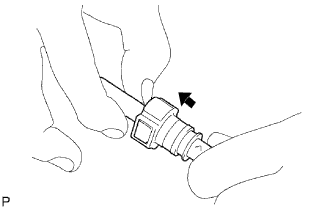
Check that there is no damage or contamination in the connected part of the pipe.
-
Align the axis of the connector with the axis of the pipe. Push the pipe into the connector until the connector makes a "click" sound. If the connection is tight, apply a small amount of fresh engine oil to the tip of the pipe.
Text in Illustration Push -
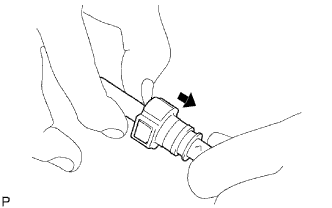
After connecting the pipe and the connector, check that the pipe and connector are securely connected by trying to pull them apart.
Text in Illustration Pull -
Fuel Tube Connector Cover Type:
Attach the lock claws to the connector by pushing down on the cover.
-
Inspect for fuel leaks.
-
-
Observe these precautions when disconnecting the fuel tube connector (for quick type B):
-
Check if there is any dirt or mud on the pipe and around the connector before disconnecting them. Clean if necessary.
-
Disconnect the parts by hand.
-
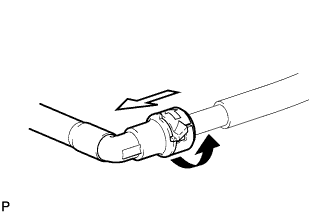
Text in Illustration *1 Nylon Tube *2 O-Ring *3 Retainer *4 Pipe If the connector and pipe are stuck, push and pull the connector to disconnect the pipe and pull it out.
Text in Illustration Turn Pull Note
-
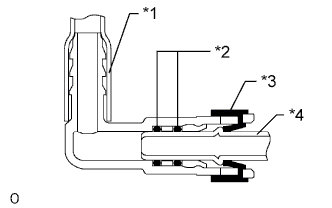
Check for foreign matter in the pipe and around the connector. Clean if necessary. Foreign matter may damage the O-ring or cause leaks in the seal between the pipe and connector.
-
Do not use any tools to separate the pipe and connector.
-
Do not forcefully bend or twist the nylon tube.
-
Check for foreign matter on the pipe seal surface. Clean if necessary.
-
Put the pipe and connector ends in plastic bags to prevent damage and foreign matter contamination.
-
If the pipe and connector are stuck together, pinch the connector between your fingers and turn it carefully to disconnect it.
-
-
Check for dirt or mud on the seal surface of the disconnected pipe. Clean if necessary.
-
To protect the disconnected pipe and connector from damage and foreign matter, cover them with a plastic bag.
-
-
Observe these precautions when connecting the fuel tube connector (for quick type B):
-
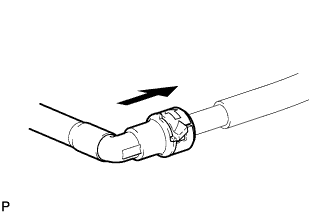
Align the axis of the connector with the axis of the pipe and push in the connector until the connector makes a "click" sound. If the connection is tight, apply a small amount of new engine oil to the tip of the pipe.
Text in Illustration Push -
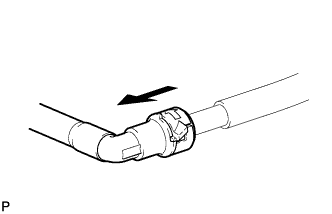
After connecting the pipe and the connector, check that the pipe and connector are securely connected by trying to pull them apart.
Text in Illustration Pull -
Inspect for fuel leaks.
-
-
Observe these precautions when disconnecting the fuel tube connector (for quick type C).
-
Check that there is no damage or foreign matter on the part of the pipe that contacts the connector.
-
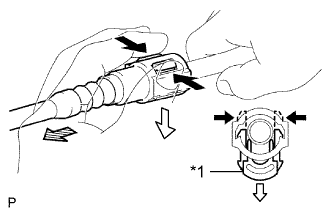
Detach the 2 claws of the connector retainer. Push down on the connector and disconnect it from the pipe.
Text in Illustration *1 Retainer Push Down 
Pull Tech Tips
If the connector and pipe are stuck, pinch the fuel pipe by hand and push and pull the connector to disconnect it.
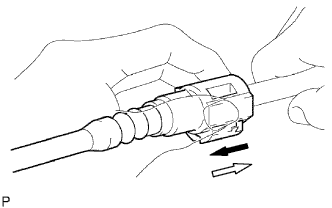
Text in Illustration Push Down Note
-
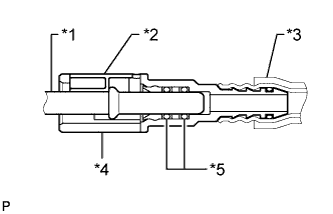
Check for any dirt and foreign matter contamination in the pipe and around the connector. Clean if necessary. Foreign matter may damage the O-ring or cause leaks in the seal between the pipe and connector.
-
Do not use any tools to separate the pipe and connector.
-
Do not allow any scratches or foreign matter on the parts when disconnecting them, as the fuel tube joint contains the O-rings that seal the plug.
-
Check for any dirt and foreign matter on the pipe seal surface. Clean if necessary.
-
Do not forcibly bend, twist or turn the nylon tube.
-
Protect the disconnected part by covering it with a plastic bag and tape after disconnecting the main tube.
-
If the pipe and connector are stuck together, pinch the tube between your fingers and turn it carefully to free it. Then disconnect the main tube.
Text in Illustration *1 Pipe *2 Retainer *3 Nylon Tube *4 Connector *5 O-Ring -
-
Check for foreign matter on the seal surface of the disconnected pipe. Clean it if necessary.
-
To protect the disconnected pipe and connector from damage and foreign matter, cover them with a plastic bag.
-
-
Observe these precautions when connecting the fuel tube connector (for quick type C).
-
Check for foreign matter on the pipe and around the connector before connecting it. Clean it if necessary.
-
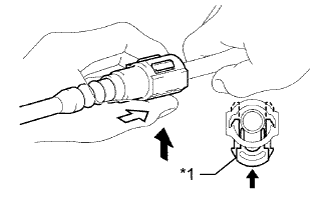
Text in Illustration *1 Retainer Up Push Align the axis of the connector with the axis of the pipe. Push the pipe into the connector, and then push up on the retainer.
Note
-
Before connecting the tube connectors to the pipes, check if there is any damage or foreign matter in the connectors.
-
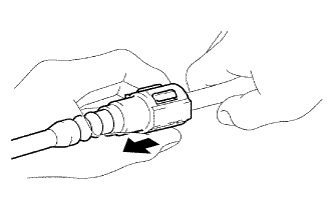
After connecting the pipe and the connector, check that the pipe and connector are securely connected by trying to pull them apart.
Text in Illustration Pull
-
-
Inspect for fuel leaks.
-
-
Observe these precautions when disconnecting the fuel tank breather tube connector:
-
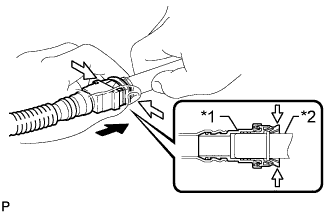
Text in Illustration *1 Fuel Tank Breather Tube Connector *2 Pipe Push Pinch Pinch the retainer and pull out the fuel tank breather tube connector with the fuel tank breather tube connector pushed toward the pipe to disconnect the fuel tank breather tube from the pipe.
Note
-
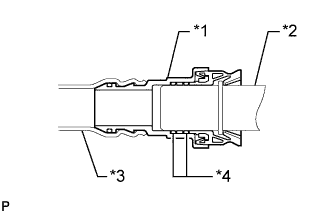
Remove dirt or foreign objects on the fuel tank breather tube connector before performing this procedure.
-
Do not allow any scratches or foreign objects on the parts when disconnecting them as the fuel tank breather tube connector has the O-ring that seals the pipe.
-
Perform this work by hand. Do not use any tools.
-
Do not forcibly bend, kink or twist the nylon tube.
-
Protect the connecting part by covering it with a plastic bag after disconnecting the fuel tank breather tube.
-
If the fuel tank breather tube connector and pipe are stuck, push and pull them to release them.
Text in Illustration *1 Fuel Tank Breather Tube Connector *2 Pipe *3 Nylon Tube *4 O-Ring -
-
-
Observe these precautions when connecting the fuel tank breather tube connector:
-
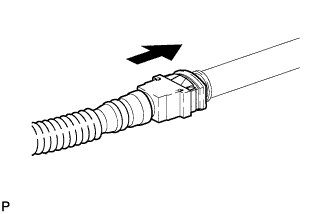
Align the fuel tank breather tube connector with the pipe, and then push in the fuel tank breather tube connector until the retainer makes a "click" sound to connect the fuel tank breather tube to the pipe.
Text in Illustration Push Note
-
Check that there are no scratches or foreign objects on the connected part of the fuel tank breather tube connector and pipe before performing this procedure.
-
After connecting the fuel tank breather tube, check that the fuel tank breather tube is securely connected by pulling the fuel tank breather tube connector.
-
-
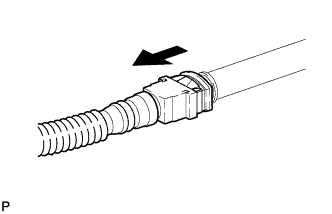
After connecting the pipe and the connector, check that the pipe and connector are securely connected by trying to pull them apart.
Text in Illustration Pull -
Inspect for fuel leaks.
-
-
Observe these precautions when disconnecting the fuel cut off tube connector:
-
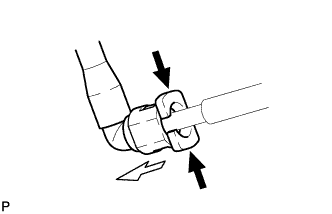
Text in Illustration *1 Nylon Tube *2 O-Ring *3 Retainer *4 Pipe Pinch the projection of the retainer to detach the lock claws and pull out the fuel cut off tube.
Text in Illustration Pinch Pull Note
-
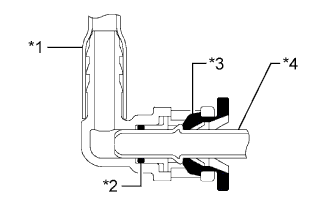
Check if there is any dirt or mud around the connector before this operation and remove the dirt as necessary.
-
It is necessary to prevent mud or dirt from entering the quick connector. If mud enters the connector, the O-ring may not properly seal the connection.
-
Disconnect the quick connector by hand.
-
Do not bend or twist the nylon tube.
-
To protect the tubes, cover them with a plastic bag after checking for dirt.
-
If the connector and the pipe are stuck, try wiggling or pushing and pulling the connector to release it. Pull the connector off of the pipe carefully.
-
-
-
Observe these precautions when connecting the fuel cut off tube connector:
-
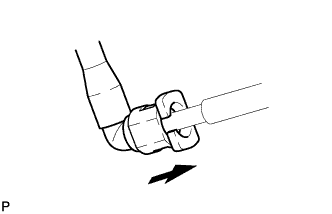
Push in the tube connector to the pipe until the connector makes a "click" sound.
Text in Illustration Push Note
-
Check if there is any damage or foreign objects on the connected part of the pipe.
-
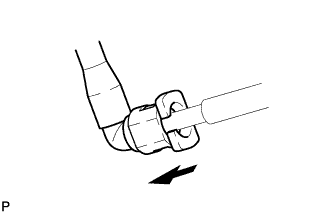
After connecting the pipe and the connector, check that the pipe and connector are securely connected by trying to pull them apart.
Text in Illustration Pull
-
-
Inspect for fuel leaks.
-
-
-
CHECK FOR FUEL LEAK
-
Check that there are no fuel leaks after performing maintenance anywhere on the fuel system Click here.
-