AIR CONDITIONING SYSTEM (for Automatic Air Conditioning System) PRECAUTION

-
PRECAUTIONS WHEN USING INTELLIGENT TESTER
-
When using the intelligent tester to troubleshoot the CAN communication line or LIN communication line:
Connect the intelligent tester to the vehicle, and turn a courtesy light switch on and off at 1.5 second intervals until communication between the intelligent tester and vehicle begins.
-
After all DTCs are cleared, check if the trouble occurs again 6 seconds after the engine switch is turned on (IG).
-
-
IF ANY OF FOLLOWING CONDITIONS ARE MET, KEEP ENGINE IDLING WITH A/C ON (ENGINE SPEED AT LESS THAN 2000 RPM) FOR AT LEAST 2 MINUTE:
-
Refrigerant gas has been refilled or A/C parts have been replaced.
-
The engine has not been started for a long time.
Note
If the engine speed exceeds 2,000 rpm, the A/C compressor may be damaged.
-
-
DO NOT HANDLE REFRIGERANT IN AN ENCLOSED AREA OR NEAR AN OPEN FLAME
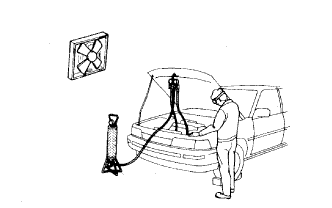
-
ALWAYS WEAR EYE PROTECTION
-
BE CAREFUL NOT TO GET LIQUID REFRIGERANT IN YOUR EYES OR ON YOUR SKIN
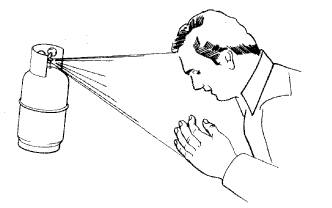
If liquid refrigerant gets in your eyes or on your skin:
-
Wash the area with lots of cold water.
CAUTION:
Do not rub your eyes or skin.
-
Apply clean petroleum jelly to the skin.
-
Go immediately to a hospital or see a physician for professional treatment.
-
-
NEVER HEAT CONTAINER OR EXPOSE IT TO OPEN FLAME
-
BE CAREFUL NOT TO DROP CONTAINER OR APPLY PHYSICAL SHOCKS TO IT
-
DO NOT OPERATE COMPRESSOR WITH INSUFFICIENT REFRIGERANT IN REFRIGERANT SYSTEM
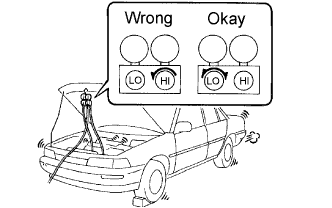
If there is not enough refrigerant in the refrigerant system, oil lubrication will be insufficient and compressor burnout may occur. Necessary care should be taken to avoid this.
-
DO NOT OPEN HIGH PRESSURE MANIFOLD VALVE WHILE COMPRESSOR IS OPERATING
Open and close only the low pressure valve. Opening and closing the high pressure valve could cause the charging cylinder to rupture.
-
BE CAREFUL NOT TO OVERCHARGE SYSTEM WITH REFRIGERANT
If the refrigerant is overcharged, it causes problems such as insufficient cooling, poor fuel economy and engine overheating.
-
DO NOT OPERATE ENGINE AND COMPRESSOR WITHOUT REFRIGERANT
Note
This may damage the inside of the compressor.