FUEL SYSTEM PRECAUTION

-
IGNITION SWITCH EXPRESSION
-
The type of ignition switch used on this model differs depending of the vehicle. The expressions listed in the table below are used in this section.
Expression Ignition Switch (position) Engine Switch (condition) Ignition Switch off LOCK Off (Lock) Ignition Switch ACC ACC On (ACC) Ignition Switch ON ON On (IG) Engine Start START ON (Start)
-
-
FUEL SYSTEM
-
Observe these precautions when disconnecting the fuel tube connector (for quick type A).
-
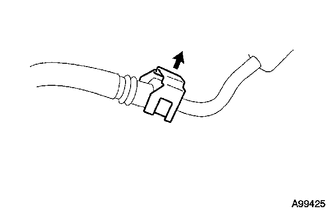
Detach the lock claw by lifting up the cover as shown in the illustration.
-
Check for dirt or mud on the fuel pipe and around the fuel tube connector before disconnection. Clean if necessary.
-
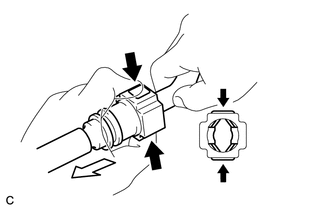
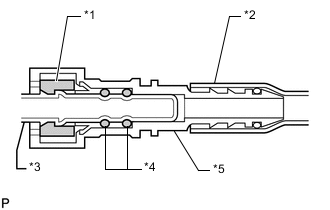
Pinch the fuel tube connector and disconnect the fuel tube connector and fuel pipe.
If the fuel tube connector and the fuel pipe are stuck together, pinch the fuel tube connector, and then push and pull the fuel pipe to disconnect the fuel pipe and pull it out.
Note
-
Check for foreign matter in the fuel pipe and around the fuel tube connector. Clean if necessary. Foreign matter may damage the O-ring or cause leaks in the seal between the fuel pipe and fuel tube connector.
-
Do not use any tools to separate the fuel pipe and fuel tube connector.
-
Do not forcefully bend or twist the nylon tube.
-
Check for foreign matter on the fuel pipe seal surface. Clean if necessary.
-
Put the fuel pipe and fuel tube connector ends in plastic bags to prevent damage and foreign matter contamination.
-
If the fuel pipe and fuel tube connector are stuck together, pinch the fuel tube connector between your fingers and turn it carefully to disconnect it.
Text in Illustration *1 Retainer *2 Nylon Tube *3 Fuel Pipe *4 O-Ring *5 Fuel Tube Connector -
-
If the fuel tube connector and fuel pipe are stuck, pinch the fuel pipe by hand, and push and pull the fuel tube connector to disconnect it.
-
Check for dirt or mud on the seal surface of the disconnected fuel pipe. Clean if necessary.
-
To protect the disconnected fuel tube connector from damage and contamination, cover it with a plastic bag.
-
-
Observe these precautions when connecting the fuel tube connector (for quick type A).
-
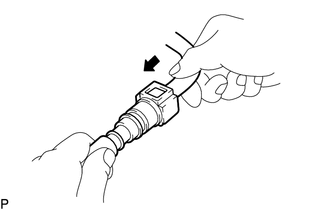
Before connecting the fuel tube connector, check that there is no damage or contamination in the connecting part of the fuel pipe.
-
Align the axis of the fuel tube connector with the axis of the fuel pipe. Push the fuel pipe into the fuel tube connector, and then push up on the retainer.
-
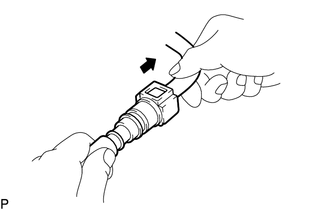
After connecting the fuel pipe and fuel tube connector, try to pull them apart to confirm that they are securely connected.
-
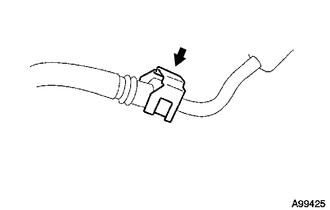
Attach the lock claw to the fuel tube connector by pushing down on the cover as shown in the illustration.
-
Check for fuel leaks.
-
-
Observe these precautions when disconnecting the fuel tube connector (for quick type B).
-
Check for dirt or mud on the fuel pipe and around the fuel tube connector before disconnection. Clean if necessary.
-
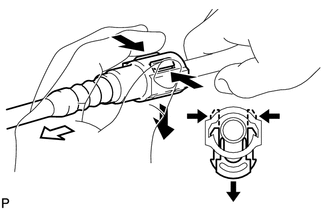
Text in Illustration *1 Retainer *2 Nylon Tube *3 Fuel Pipe *4 O-Ring *5 Fuel Tube Connector Detach the 2 claws of the connector retainer, push down on the fuel tube connector and disconnect it from the fuel pipe.
Note
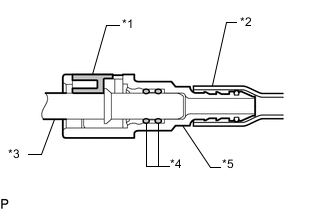
-
Check for foreign matter in the fuel pipe and around the fuel tube connector. Clean if necessary. Foreign matter may damage the O-ring or cause leaks in the seal between the fuel pipe and fuel tube connector.
-
Do not use any tools to separate the fuel pipe and fuel tube connector.
-
Do not forcefully bend or twist the nylon tube.
-
Check for foreign matter on the fuel pipe seal surface. Clean if necessary.
-
Put the fuel pipe and fuel tube connector ends in plastic bags to prevent damage and foreign matter contamination.
-
If the fuel pipe and fuel tube connector are stuck together, pinch the fuel tube connector between your fingers and turn it carefully to disconnect it.
-
-
If the fuel tube connector and fuel pipe are stuck, pinch the fuel pipe by hand, and push and pull the fuel tube connector to disconnect it.
-
Check for foreign matter on the seal surface of the disconnected fuel pipe. Clean if necessary.
-
To protect the disconnected fuel tube connector from damage and foreign matter, cover it with a plastic bag.
-
-
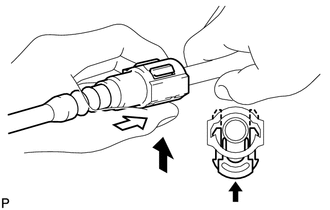
Observe these precautions when connecting the fuel tube connector (for quick type B).
-
Check for foreign matter on the fuel pipe and around the fuel tube connector before connecting them. Clean if necessary.
-
Align the axis of the fuel tube connector with the axis of the fuel pipe. Push the fuel pipe into the fuel tube connector, and then push up on the retainer.
-
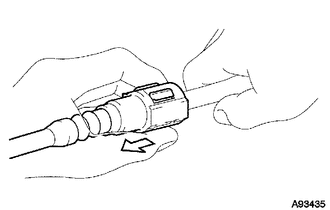
After connecting the fuel pipe and fuel tube connector, try to pull them apart to confirm that they are securely connected.
-
Check for fuel leaks.
-
-
Observe these precautions when disconnecting the fuel tube connector (for quick type C).
-
Check for dirt or mud on the fuel pipe and around the fuel tube connector before disconnection. Clean if necessary.
-
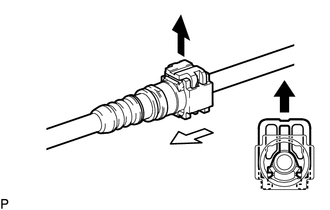
Pull the tabs of the fuel tube connector retainer as shown in the illustration to disconnect the fuel tube connector from the fuel pipe.
-
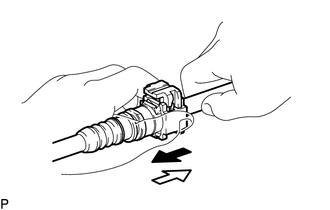
If the fuel tube connector and fuel pipe are stuck together, hold the fuel pipe by hand and push and pull on the fuel tube connector. Pull the pipe apart to separate the fuel tube connector.
Note
-
Check for foreign matter in the fuel pipe and around the fuel tube connector. Clean if necessary. Foreign matter may damage the O-ring or cause leaks in the seal between the fuel pipe and fuel tube connector.
-
Do not use any tools to separate the fuel pipe and fuel tube connector.
-
Do not forcefully bend or twist the nylon tube.
-
Check for foreign matter on the fuel pipe seal surface. Clean if necessary.
-
Put the fuel pipe and fuel tube connector ends in plastic bags to prevent damage and foreign matter contamination.
-
If the fuel pipe and fuel tube connector are stuck together, pinch the fuel tube connector between your fingers and turn it carefully to disconnect it.
-
-
If the fuel tube connector and fuel pipe are stuck, pinch the fuel pipe by hand, and push and pull the fuel tube connector to disconnect it.
-
Check the sealing surface of the disconnected parts, and clean them if necessary.
-
To protect the disconnected fuel tube connector from damage and foreign matter, cover it with a plastic bag.
-
-
Observe these precautions when connecting the fuel tube connector (for quick type C).
-
Check for dirt or mud on the fuel pipe and around the fuel tube connector before disconnection. Clean if necessary.
-
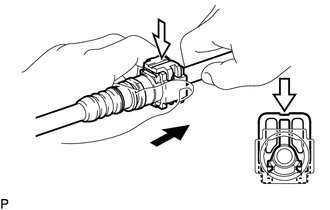
Line up the fuel pipe and fuel tube connector and push them together until a "click" sound is heard. If the connection is tight, apply a small amount of fresh engine oil to the tip of the fuel pipe.
-
Push down the retainer.
-
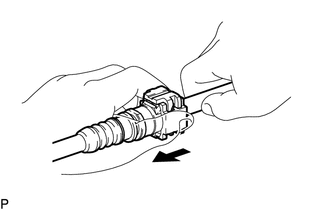
After connecting the fuel pipe and fuel tube connector, try to pull them apart to confirm that they are securely connected.
-
Check for fuel leaks.
-
-
Observe the following precautions when handling a nylon tube:
Note
-
Do not twist the connection part of the nylon tube when connecting it.
-
Do not bend or twist the nylon tube.
-
Do not remove the EPDM protector on the outside of the nylon tube.
-
Do not bend the nylon tube as this may cause blockage.
-
-
-
FUEL SUCTION WITH PUMP AND GAUGE TUBE ASSEMBLY
-
Do not disconnect the tubes shown in the illustration when disassembling the fuel suction with pump and gauge tube assembly. Doing so will cause reassembly of the fuel suction with pump and gauge tube assembly to be impossible as each tube is welded to the plate.
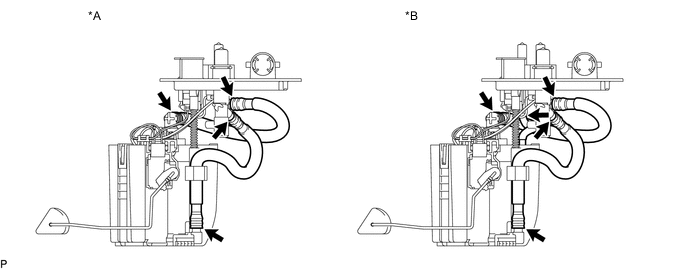
Text in Illustration *A w/o Combustion Type Power Heater *B w/ Combustion Type Power Heater
-