BODY STRUCTURE
-
OUTLINE
-
Light Weight and Highly Rigid Body
-
Using high-strength sheet steel, ultra high-strength sheet steel, and extensive aluminum both reduces weight and ensures rigidity together with an optimized frame joint structure and optimal positioning of reinforcement members.
-
-
Safety Features
-
The body has a structure that can distribute energy to many members to increase absorption of the collision energy and a high strength framework that can control the deformation of the cabin and help secure sufficient survival space.
-
-
Rust-Resistant Body
-
Rust-resistance performance is enhanced by extensive use of anti-corrosion sheet steel, as well as by anti-corrosion treatments that include the application of anti-rust wax, sealer and anti-chipping paint to easily corroded parts such as the hood and rocker panels.
-
-
Low Vibration and Low Noise Body
-
By connecting braces and reinforcements to the body panels, panel vibration has been reduced. Changes in the structure of body panels also reduces panel vibration. A structure that reduces body panel frame movement ensures low noise levels.
-
Effective application of vibration damping and noise suppression materials reduces engine, wind and road noise.
-
-
Aerodynamics
-
Leveling off the surface where the A-pillar meets the windshield and smoothing the shape around the doors and rocker effectively reduce flow separation.
-
Various types of airflow routing parts that control airflow are provided under the floor, and an under cover is provided to make the under body flat in order to ensure excellent aerodynamic performance.
-
-
Parts with Low Repair Cost
-
Front end and rear end parts are connected by bolts, ensuring ease of repair.
-
The strong rear under body frame and its connection rigidity ensure low repair costs after low-speed collisions.
-
-
-
MAIN FEATURES
-
Exterior Design
-
Front View
-
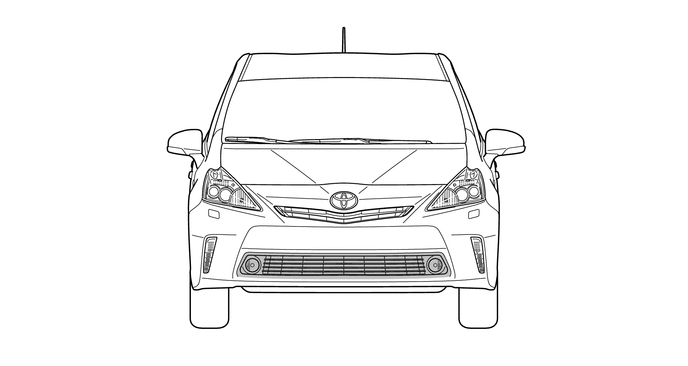
The dip in the upper edge of the headlights expresses the Prius family design language.
-
The bumper has been given a large trapezoidal shape with a characteristic next generation HV-like construction.
-
The front bumper corners utilize a shape that smoothes airflow and contributes to reduced wind drag.
-
-
-
Exterior Design
-
Side View
-
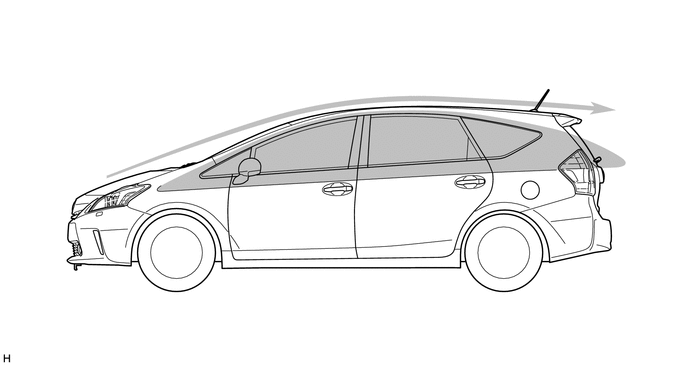
The unique triangular side silhouette of the Prius has been carried over while expressing an open feeling and spaciousness. Comfort has been increased and a firm silhouette emphasized, creating the feeling of a new genre in hybrid space.
-
-
-
Exterior Design
-
Rear View
-
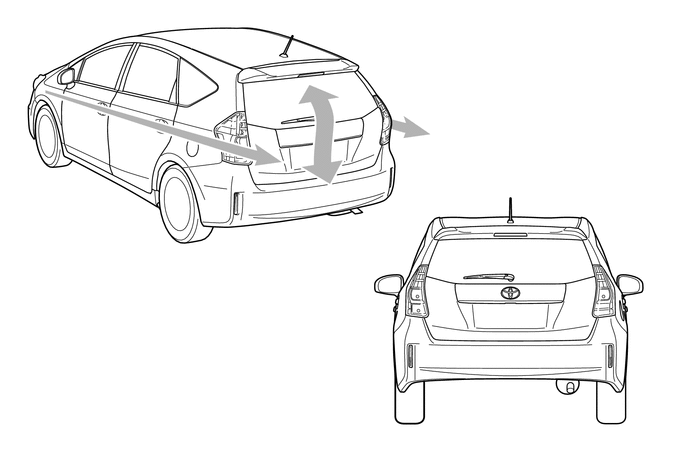
The rear bumper and rear reflector corners utilize a shape that smoothes airflow and contributes to reduced wind drag.
-
The back door panel gives an even higher impression of quality with an accented curved surface.
-
-
-